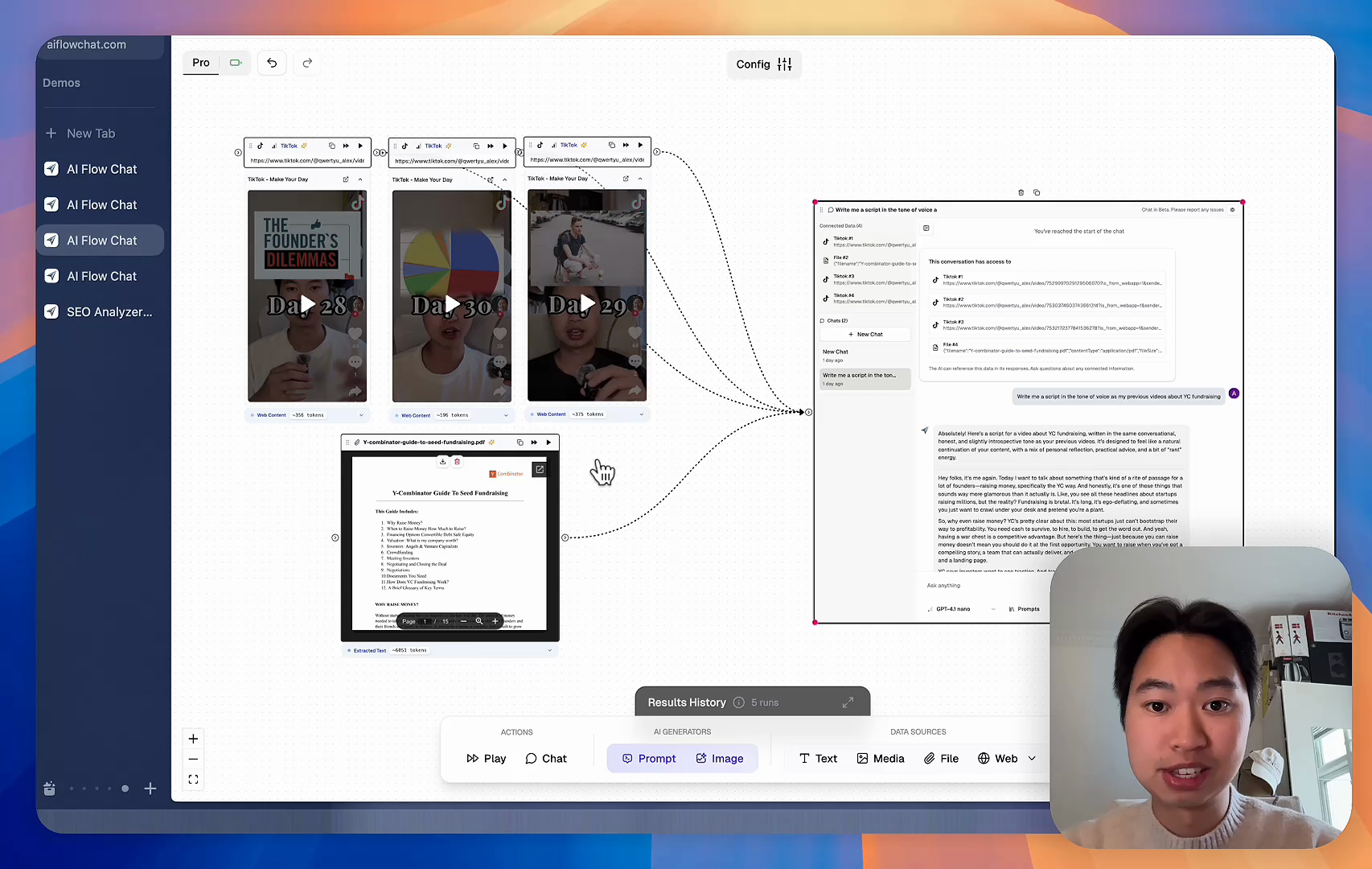
More Prompts:

Best prompts for LIM for writing using research papers using LIM

13 copy-ready LIM prompts to extract, synthesize, and write from research papers (PDFs, scanned pages, figures). Each prompt is practical, specifies expected outputs, and includes a realistic example output to paste directly into a LIM-capable model.


GPT-5
Claude Sonnet 4
Claude Opus 4
Gemini 2.5 Flash
Gemini 2.5 Pro
You've got a stack of research papers on your desk and a looming deadline, but turning dense academic jargon into clear, actionable content feels like translating ancient hieroglyphics. Sound familiar? Every researcher, content creator, and analyst knows the frustration of staring at a 40-page PDF, wondering how to extract the gold buried in methods sections and data tables.
These 13 battle-tested LLM prompts transform your research paper struggles into streamlined workflows that actually work. From creating press-ready summaries and reproducible protocols to building presentation outlines and code walkthroughs, each prompt comes with specific instructions and real example outputs you can use immediately. Instead of spending hours wrestling with academic papers, you'll have professional-quality content ready in minutes, whether you need a layperson summary for your blog or a detailed comparison table for your literature review.
1
Structured paper summary with page citations
Read the attached research paper (PDF or scanned images). Produce: (A) one-sentence summary of the paper's main point; (B) a 3–4 sentence technical summary; (C) a bulleted list of the top 5 contributions, each with the page number(s) that support it; (D) a short list of 2 limitations noted by the authors with page citations. When quoting, include exact page:paragraph or Figure/Table numbers. If a claim appears only in a figure, reference the figure and caption.
Produce layered summaries with precise page/figure citations for a single research paper.
2
Method extraction into reproducible steps
From the attached paper, extract the Methods/Implementation section and convert it into a reproducible protocol with numbered steps. For each step, include: required inputs (data, pre-trained models), exact hyperparameters (learning rate, batch size, optimizer, epochs) with page citations, pseudocode or command-line examples, and any special hardware or library versions. If information is missing, list questions to ask the authors.
Turn the Methods section into a step-by-step reproducible protocol, including hyperparameters and code references.
3
Concise layperson summary for press or blog
Read the attached research paper and produce: (1) a one-paragraph (3–4 sentence) lay summary starting with a one-line hook; (2) three short bullets on why it matters for non-experts; (3) a 20-word tweetable headline. Avoid jargon; when technical terms are necessary, provide a one-line plain-language explanation.
Create a short, nontechnical summary suitable for a press release or blog audience with an attention-grabbing lead.
4
Figure and table captions rewritten for clarity
For each figure and table in the attached paper, produce an improved caption that is self-contained: include what is plotted, the experimental conditions, key quantitative results, and the main takeaway. Keep captions to 1–2 sentences for figures and 1–3 sentences for tables. Reference axis labels or units if present in the figure.
Improve and standardize figure/table captions to be self-contained and informative for publication or slide use.
5
Create a 6-slide talk outline from paper
Create a 6-slide presentation outline for a 10-minute talk about the attached paper. For each slide provide: slide title, 3–6 bullet points (concise), suggested visual (figure, table, diagram, or code snippet) and 1 speaker-note sentence. Indicate which figures/tables from the paper to use and their page numbers.
Convert a paper into a concise 6-slide presentation outline with titles, bullet content, and suggested visuals per slide.
6
Literature review paragraph synthesizing 5 papers
Given the attached primary paper plus up to 4 PDF papers (attach them), write a 200–250 word literature-review paragraph that: (1) situates the primary paper relative to the others; (2) synthesizes themes and methods; (3) identifies 2 open gaps or future directions cited with paper names and page/section when relevant. Use signposting phrases (e.g., 'In contrast', 'Building on').
Synthesize the attached paper plus up to 4 additional provided papers into a coherent literature-review paragraph highlighting gaps.
7
Extract datasets, metrics, and experimental protocol
From the attached paper, extract: (A) all datasets used with version and preprocessing steps and citations; (B) evaluation metrics and exact calculation formulas (e.g., BLEU variant, perplexity definition); (C) experimental protocols including train/val/test splits and any seed values or run counts. Provide page references and note any missing details.
List all datasets, evaluation metrics, and exact experimental protocols needed to reproduce results from the paper.
AI Flow Chat

Stop Losing Your AI Work

Tired of rewriting the same prompts, juggling ChatGPT and Claude in multiple tabs, and watching your best AI conversations disappear forever?

AI Flow Chat lets you save winning prompts to a reusable library, test all models in one workspace, and convert great chats into automated workflows that scale.
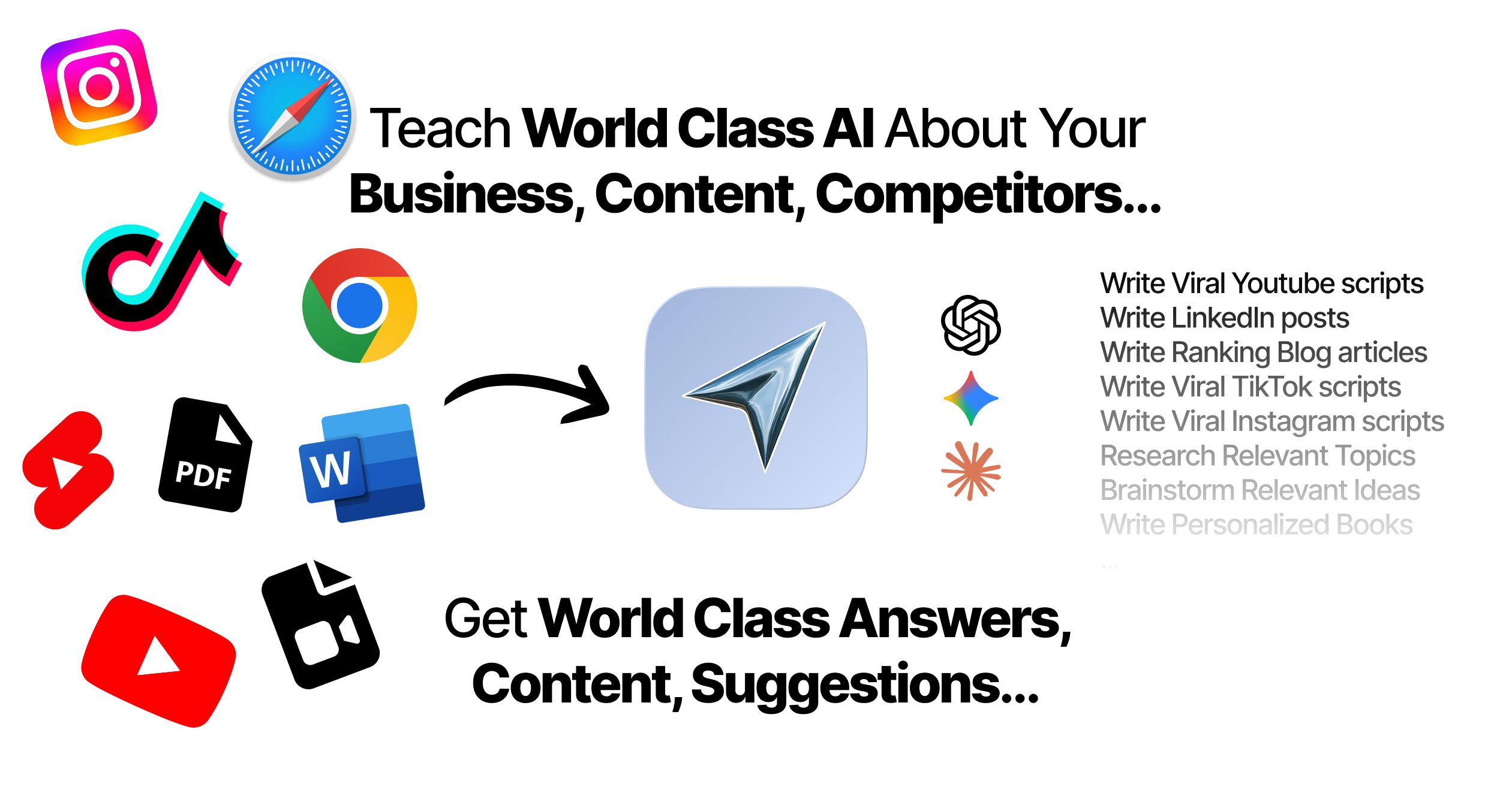

Teach World Class AI About Your Business, Content, Competitors… Get World Class Answers, Content, Suggestions...
AI Flow Chat powers our entire content strategy. We double down on what’s working, extract viral elements, and create stuff fast.
Video thumbnail

Reference Anything

Bring anything into context of AI and build content in seconds

YouTube

PDF

DOCX

TikTok

Web

Reels

Video Files

Twitter Videos

Facebook/Meta Ads

Tweets

Coming Soon

Audio Files

Coming Soon

Choose a plan to match your needs

Upgrade or cancel subscriptions anytime. All prices are in USD.

Basic

For normal daily use. Ideal for getting into AI automation and ideation.

$30/month
  • See what Basic gets you
  • 11,000 credits per month
  • Access to all AI models
  • 5 app schedules
  • Free optional onboarding call
  • 1,000 extra credits for $6
Get Started

No risk, cancel anytime.

ProRecommended

For power users with high-volume needs.

$100/month
  • See what Pro gets you
  • 33,000 credits per month
  • Access to all AI models
  • 10 app schedules
  • Remove AI Flow Chat branding from embedded apps
  • Free optional onboarding call
  • 2,000 extra credits for $6
Get Started

No risk, cancel anytime.

Frequently Asked Questions

Everything you need to know about AI Flow Chat. Still have questions? Contact us.