More Prompts:

Best prompts for LIM for ideation using creative writing techniques

12 copy-ready prompts that apply creative writing techniques to LIM-style ideation. Each prompt is practical, instructs the model on expected output format, and includes a realistic example you can paste and run.


GPT-5
Claude Opus 4
Claude Sonnet 4
Gemini 2.5 Flash
Gemini 2.5 Pro
You sit staring at that blank prompt box, waiting for a spark of creative genius that never comes. The AI spits out the same predictable ideas you've seen 12 times before, leaving you wondering if there's a better way to unlock truly original thinking from these powerful tools.
These 12 creative writing prompts transform your AI brainstorming sessions from generic list-makers into powerful ideation engines. Each prompt applies proven storytelling techniques like metaphor mapping, character development, and sensory sketching to generate unexpected product opportunities you'd never discover through traditional prompting. Instead of struggling with writer's block and recycled concepts, you'll have a toolkit that consistently produces fresh, actionable ideas that surprise even you.
1
Metaphor Mapping for Feature Ideas
Metaphor mapping: Pick one metaphor to represent [TOPIC] (e.g., 'garden', 'orchestra', 'lighthouse'). For that metaphor, identify four key elements (e.g., seeds, soil, harvest). For each element, generate two idea cards (8 total). Each card must contain: a short title (<=6 words), one-sentence description, target persona, and a 1-line prototype suggestion. Output as a numbered list.
Pick a single metaphor and map its elements to features, producing concise idea cards that link the metaphor to product opportunity.
2
Constraint-Driven Oulipo Sprint
Oulipo sprint for ideation: Choose a constraint type (e.g., 'no use of the letter E', 'only three-word titles', 'must include a color'). Apply it to [TOPIC] and produce 10 concept sketches that obey the constraint. Each sketch: title, 2-line description, and one key metric to test. Start by naming the constraint.
Use writing constraints to force novel idea paths—apply a constraint and generate ideas that respect it.
3
Character-Driven Opportunity Cards
Character-driven ideation: Create one detailed persona as a short creative sketch (name, daily routine, secret frustration, a quirky habit). Then, from that persona's viewpoint, generate 6 ideas addressing their frustrations. For each idea include: idea name, two-sentence user story from the persona's voice, and a minimum viable experiment (MVE).
Personify a target user as a detailed character and ideate features from their voice and needs.
4
Sensory Sketching to Surface Details
Sensory sketching: Describe an interaction with [TOPIC] in 6 sensory lines: sight, sound, touch, smell, taste (metaphorical allowed), and emotion. From each sensory line, derive one idea (6 ideas). For each idea provide a short title, 1-line description, and a suggested user-test prompt.
Use sensory writing prompts to reveal overlooked user needs and generate tactile feature ideas.
5
Microfiction Scenario Generator
Microfiction ideation: Write 6 micro-stories (2–3 sentences each) that place [TOPIC] at a surprising narrative pivot (conflict or reveal). After each micro-story, list 2 product ideas inspired by that scene, each with one implementation sentence. Output as story then ideas pairs.
Write very short stories that place the product in vivid situations; extract actionable ideas from each micro-scenario.
6
Three-Act Scene-Storm
Three-act scene-storm: For [TOPIC], write a 3-act micro-scene: Setup (introduce user & problem), Confrontation (unexpected complication), Resolution (surprising fix). From each act extract two concrete ideas (6 total), each with a brief implementation note and a falsifiable hypothesis for testing.
Structure ideation like a short play to reveal conflict, escalation, and surprising resolution ideas.
7
Alternate-History Reframe
Alternate-history ideation: Imagine [TOPIC] in an alternate timeline where one major assumption is flipped (e.g., 'no smartphones existed', 'public transport is free', 'cashless society emerged 30 years earlier'). Describe the world in two sentences, then produce 8 ideas that only make sense in that world, each with a one-line rationale and potential value metric.
Recast the problem as if history had taken a different turn; generate disruptive features that follow from that alternate world.
AI Flow Chat

Stop Losing Your AI Work

Tired of rewriting the same prompts, juggling ChatGPT and Claude in multiple tabs, and watching your best AI conversations disappear forever?

AI Flow Chat lets you save winning prompts to a reusable library, test all models in one workspace, and convert great chats into automated workflows that scale.
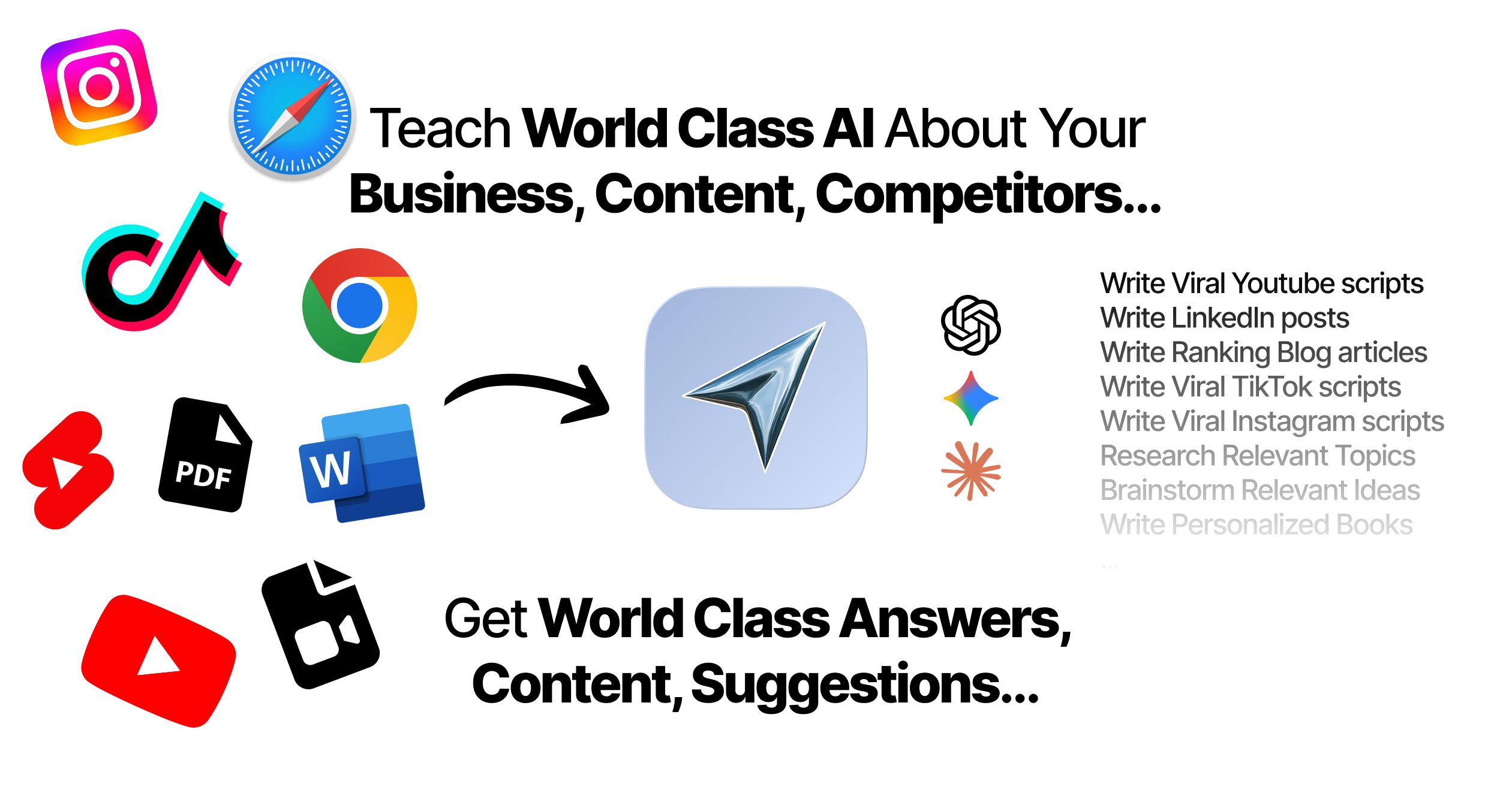
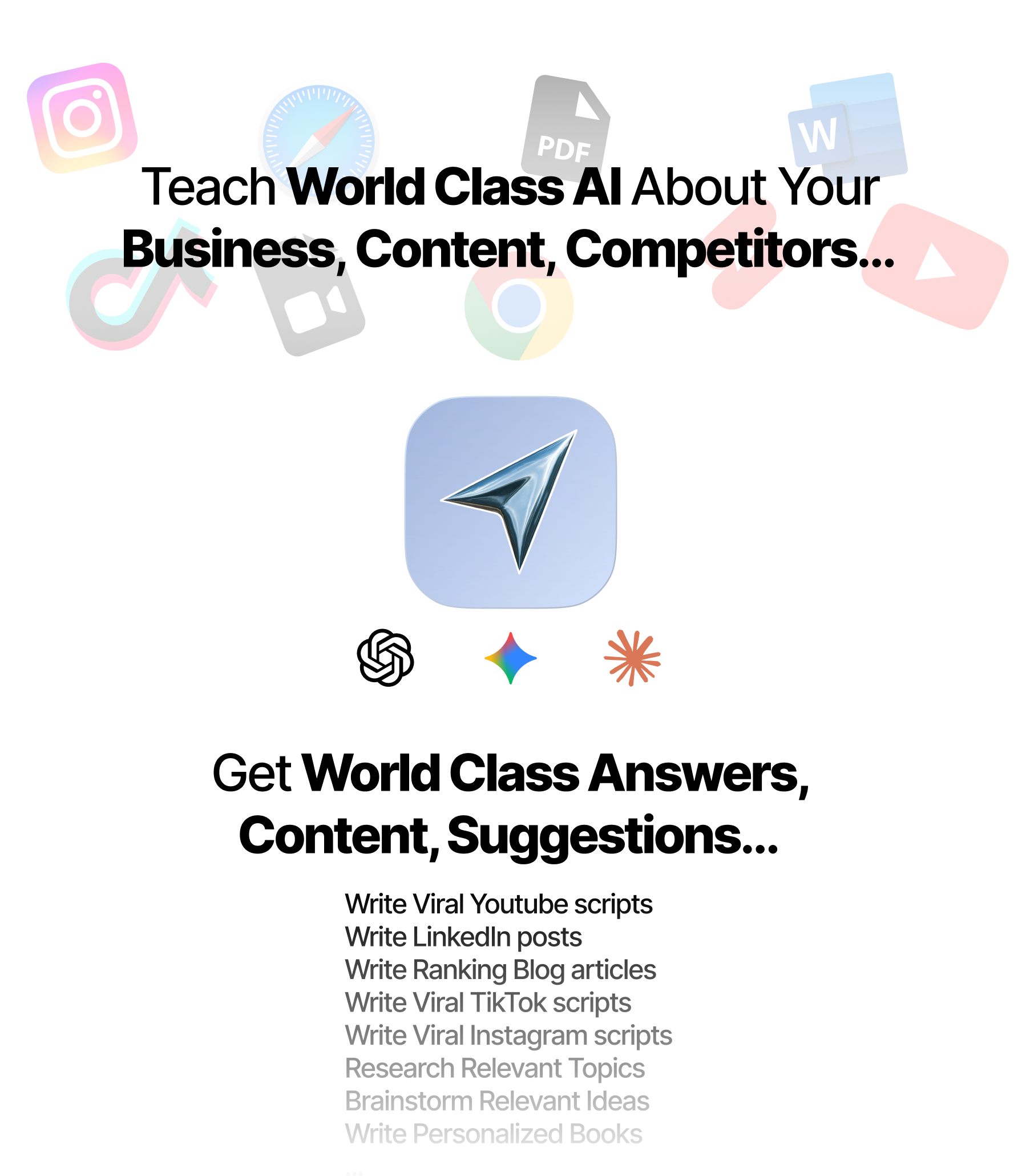
Teach World Class AI About Your Business, Content, Competitors… Get World Class Answers, Content, Suggestions...
AI Flow Chat powers our entire content strategy. We double down on what’s working, extract viral elements, and create stuff fast.
Video thumbnail

Reference Anything

Bring anything into context of AI and build content in seconds

YouTube

PDF

DOCX

TikTok

Web

Reels

Video Files

Twitter Videos

Facebook/Meta Ads

Tweets

Coming Soon

Audio Files

Coming Soon

Choose a plan to match your needs

Upgrade or cancel subscriptions anytime. All prices are in USD.

Basic

For normal daily use. Ideal for getting into AI automation and ideation.

$30/month
  • See what Basic gets you
  • 11,000 credits per month
  • Access to all AI models
  • 5 app schedules
  • Free optional onboarding call
  • 1,000 extra credits for $6
Get Started

No risk, cancel anytime.

ProRecommended

For power users with high-volume needs.

$100/month
  • See what Pro gets you
  • 33,000 credits per month
  • Access to all AI models
  • 10 app schedules
  • Remove AI Flow Chat branding from embedded apps
  • Free optional onboarding call
  • 2,000 extra credits for $6
Get Started

No risk, cancel anytime.

Frequently Asked Questions

Everything you need to know about AI Flow Chat. Still have questions? Contact us.