More Prompts:

Best prompts for LIM using creative storytelling

13 practical, copy-ready multimodal (image + text) prompts designed to guide Language-Image Models (LIMs) in creating rich, creative stories, characters, and worldbuilding from images. Each prompt includes a concise explanation and a realistic example you can paste and run with an image input.


Claude Opus 4
Claude Sonnet 4
Gemini 2.5 Pro
GPT-5
Gemini 2.5 Flash
You know that frustrating moment when you feed an image to ChatGPT or Claude and get back a bland, generic description that sounds like it was written by a committee? You're staring at a photo that could spark thirteen stories, but the AI just lists what it sees like a grocery receipt. It's like having a brilliant storyteller who's forgotten how to actually tell stories.
These 13 carefully crafted prompts transform your AI from a passive observer into an active creative partner. Instead of settling for basic image descriptions, you'll unlock rich narratives, complex characters, and immersive worlds that spring directly from your visuals. Whether you need a compelling short story, detailed worldbuilding, or a film treatment, these prompts guide your AI to create publication-ready content that captures the magic hiding in every image.
1
Scene-to-Story: Expand a photo into a short story
INPUT: <IMAGE> TASK: Analyze the image and write a 400–600 word short story inspired directly by what you see. Start with a one-sentence setting line (time/place). Use at least two named characters, incorporate three concrete visual details from the image, establish a central conflict within the first two paragraphs, and end with a concise resolution. Keep language sensory and show—don't just tell.
Given a single image, produce a 400–600 word short story grounded in visual details. Include sensory description, at least two characters, a clear conflict, and a satisfying resolution. Keep prose vivid and specific to the image.
2
Character Origin from Portrait
INPUT: <IMAGE: portrait or close-up> TASK: Generate a 250–350 word origin story for the person in the portrait. Use three visible visual cues (clothing, expression, props) to infer upbringing, a defining formative event, a hidden secret, and a one-line future arc. Keep plausible motives and avoid inventing impossible facts about the photo.
Create a detailed origin story for a person in a portrait: background, formative event, secret, and one-line future arc. Aim for 250–350 words focused on psychological depth linked to visual cues.
3
Object as Plot Device (Microfiction)
INPUT: <IMAGE> TASK: Identify a single prominent object in the image. Write 150–250 words of microfiction where that object catalyzes a single scene: the protagonist encounters a dilemma, acts on it because of the object, and the scene ends with a meaningful consequence. Include two direct sensory details.
Pick a prominent object in an image and center a 150–250 word microfiction on its significance. The object should drive the plot and reveal character through action.
4
Cross-Time Snapshot: Reimagine the scene in another era
INPUT: <IMAGE> TASK: Choose a target era (e.g., 1920s, 2080s). Reimagine the image as if it were from that era. Produce a 300–450 word narrative that adapts visual details to the era—describe changed technology, social context, and the characters' motivations. End with a line that links the reimagined scene back to the original image's primary visual motif.
Transform the image into a historical or futuristic setting. Provide a 300–450 word narrative that explains how the scene's objects, clothing, and environment map to the chosen era and why the characters are there.
5
Dialogue from a Still
INPUT: <IMAGE> TASK: Identify two or more subjects in the image and write a 6–10 line dialogue exchange (each line attributed to a speaker). Use visual cues to inform tone, subtext, and implied relationships. End with a single line that reveals a secret or sets up immediate conflict.
Create a believable, character-revealing dialogue between subjects in a photo. Produce a 6–10 line script that implies backstory and ends on a tension note or reveal.
6
Location-Based Worldbuilding
INPUT: <IMAGE: landscape or cityscape> TASK: Create a 200–350 word worldbuilding entry for the place pictured. Include a short historical origin, three distinct landmarks (with one-line descriptions), two local customs or rituals inspired by visible elements, and one political or ecological conflict that threatens the area.
From a landscape or cityscape image, produce a detailed worldbuilding entry: history, local customs, three landmarks, and one conflict affecting the place (200–350 words).
7
Emotional Arc Mapping from a Single Frame
INPUT: <IMAGE> TASK: Produce a three-scene emotional arc (Setup, Crisis, Aftermath). Each scene: 3–4 sentences that use specific visual details to show the character's inner changes. Conclude with a one-sentence thematic takeaway that ties the arc back to the image.
Turn one image into a three-scene emotional arc: Setup, Crisis, Aftermath. For each scene, provide 3–4 sentences focusing on internal states and visual cues linking scenes.
AI Flow Chat

Stop Losing Your AI Work

Tired of rewriting the same prompts, juggling ChatGPT and Claude in multiple tabs, and watching your best AI conversations disappear forever?

AI Flow Chat lets you save winning prompts to a reusable library, test all models in one workspace, and convert great chats into automated workflows that scale.
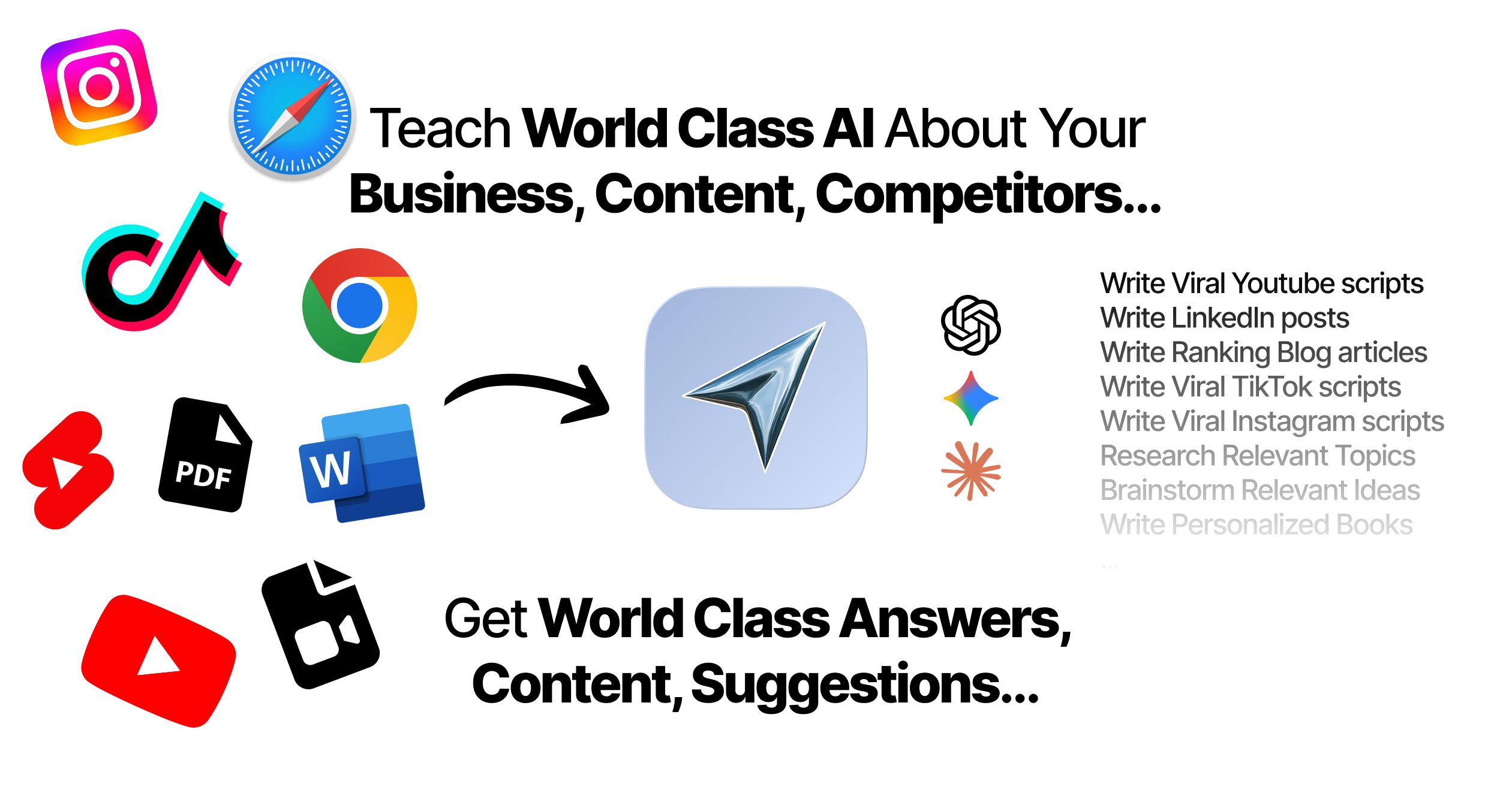
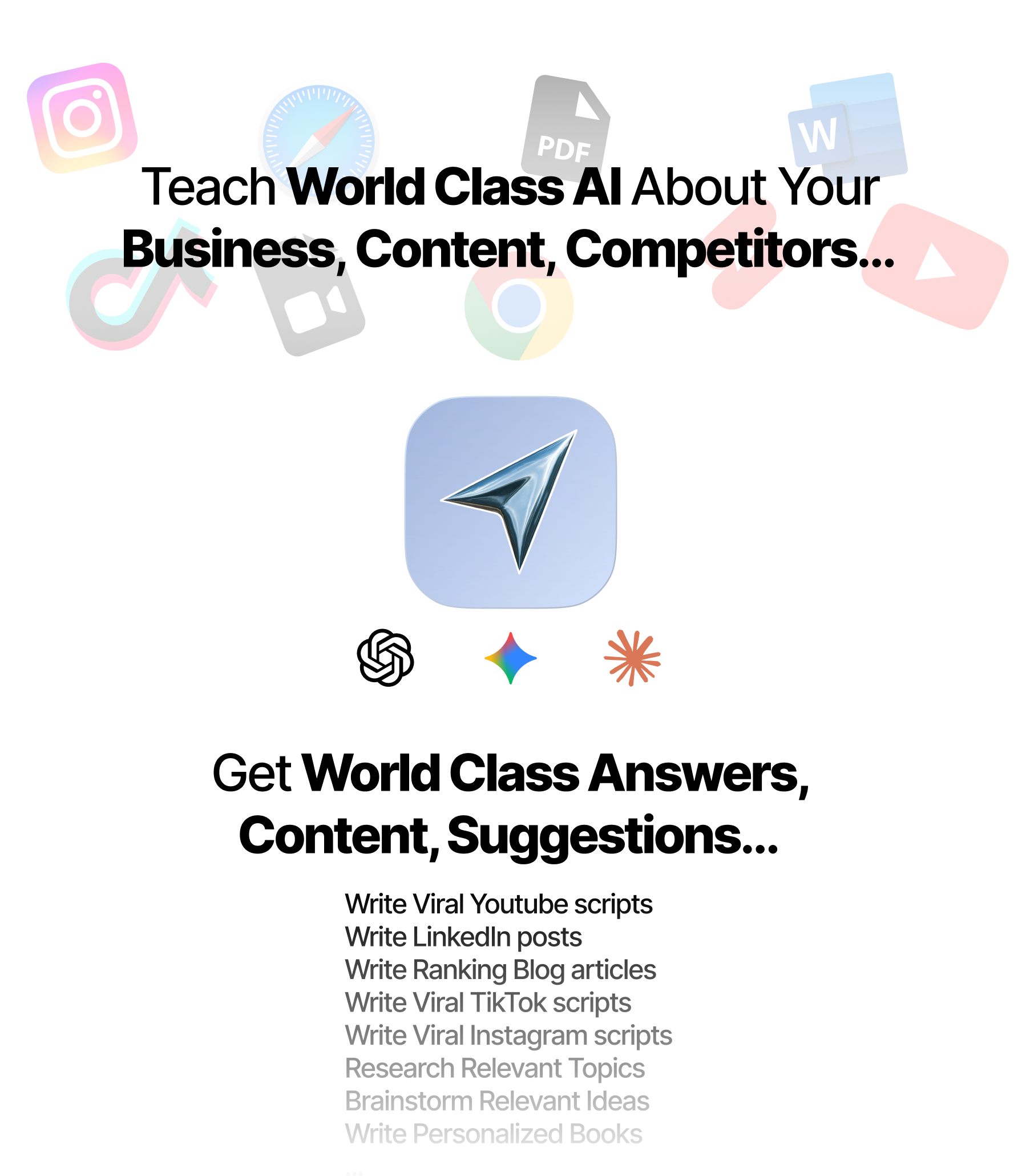
Teach World Class AI About Your Business, Content, Competitors… Get World Class Answers, Content, Suggestions...
AI Flow Chat powers our entire content strategy. We double down on what’s working, extract viral elements, and create stuff fast.
Video thumbnail

Reference Anything

Bring anything into context of AI and build content in seconds

YouTube

PDF

DOCX

TikTok

Web

Reels

Video Files

Twitter Videos

Facebook/Meta Ads

Tweets

Coming Soon

Audio Files

Coming Soon

Choose a plan to match your needs

Upgrade or cancel subscriptions anytime. All prices are in USD.

Basic

For normal daily use. Ideal for getting into AI automation and ideation.

$30/month
  • See what Basic gets you
  • 11,000 credits per month
  • Access to all AI models
  • 5 app schedules
  • Free optional onboarding call
  • 1,000 extra credits for $6
Get Started

No risk, cancel anytime.

ProRecommended

For power users with high-volume needs.

$100/month
  • See what Pro gets you
  • 33,000 credits per month
  • Access to all AI models
  • 10 app schedules
  • Remove AI Flow Chat branding from embedded apps
  • Free optional onboarding call
  • 2,000 extra credits for $6
Get Started

No risk, cancel anytime.

Frequently Asked Questions

Everything you need to know about AI Flow Chat. Still have questions? Contact us.