More Prompts:

Best prompts for Image Generation ChatGPT for UX mockups using AI for user journey visualization

12 copy-ready image-generation prompts tailored to create UX mockups that visualize user journeys. Each prompt is specific about device, screens, annotations, states, and visual style so you can paste directly into an image-focused ChatGPT or compatible multimodal AI to produce clear journey mockups and annotated flows.

GPT-5
Claude Opus 4
Gemini 2.5 Pro
Claude Sonnet 4
Gemini 2.5 Flash
You've probably been there: sitting in front of ChatGPT, typing "create a mobile app mockup" and getting back something that looks like it was designed in 2005. Or worse, spending 20 minutes crafting the perfect prompt only to get wireframes that miss half the user journey and leave your stakeholders scratching their heads. The frustration of knowing AI can create amazing visuals but struggling to communicate exactly what you need for your UX work.
These 12 battle-tested prompts transform that frustration into clarity by giving you copy-ready instructions that generate professional UX mockups and user journey visualizations. From mobile onboarding flows with pain point annotations to accessibility-first designs with implementation notes, each prompt is crafted to produce the exact screens, states, and flows you need for presentations, stakeholder buy-in, and development handoffs. Instead of wrestling with vague AI outputs, you'll get pixel-perfect mockups that tell complete user stories and move your projects forward.
1
3-Screen Mobile Onboarding Flow (Hi‑Fi)
Generate a high-fidelity mobile UX mockup showing a 3-screen onboarding flow for a travel planning app called "Wanderly". Device: iPhone 13 Pro (1170x2532 px). Screens: Welcome (logo, 2-line tagline, Sign up / Continue with Google), Interests selection (grid of 8 interest chips with multi-select state), Permissions & Personalization (location toggle, notification toggle, Continue button). Visual style: modern rounded cards, gradient primary color #0077FF to #00D1FF, white background, 16pt system font for headings, 14pt for body. Include numbered arrows between screens (1→2→3) and short callout labels describing each step (e.g., “collect preference”, “request location permission”). Export as 3-panel image with 24px gutter and subtle drop shadow under each phone.
Creates a clear 3-screen high-fidelity mobile onboarding mockup with visual flow arrows and labels so stakeholders can quickly understand the onboarding journey and CTA placement.
2
E‑commerce Checkout Journey with Pain Points
Produce an annotated desktop mockup that visualizes a 4-step checkout journey for an online store "Oak & Loom". Canvas: 1440x900. Steps/screens: Cart review (promo field visible), Shipping address (autocomplete address field), Payment (card input, PayPal button, saved cards), Order confirmation (summary). Mark likely friction points with red callouts and short microcopy suggestions (e.g., “address suggestions missing”, “expensive shipping not shown until last step”). Use neutral UI kit (light gray #F4F5F7, primary #0A66FF), 12px annotation labels, arrows connecting steps, and highlight CTAs. Provide both a full-flow view and zoomed-in callout panels for each friction point.
Creates a desktop checkout flow with explicit identification of UX pain points and recommended microcopy—useful for usability reviews and prioritizing fixes.
3
SaaS Onboarding to First Success (Dashboard Flow)
Create a high-fidelity desktop mockup sequence (5 screens) showing a new user’s journey from signup to achieving first success in a project management SaaS called "TaskPulse". Canvas: 1280x800. Screens: Signup > Empty dashboard with checklist > Project creation modal > First task created inside project > Success toast + progress bar updated. Use a professional, flat UI (primary color #2D9CDB, accent #F2C94C). Include: checklist items with progress percentages, an onboarding tooltip pointing to the “Create project” CTA, and a congratulatory modal when first task is completed. Add step numbers and a short narrative line beneath each screen (e.g., “User sees checklist and creates project”).
Visualizes the critical path to 'first success' in a SaaS product so designers and PMs can optimize onboarding steps that lead to activation.
4
Mobile Error States & Recovery Flow
Design a set of 4 mobile mockups illustrating common error states and recovery paths for a banking app called "NimbleBank". Device: Pixel 6 (1080x2400). Screens: Login failure (invalid password), Transfer failure (insufficient funds), Network error during deposit (retry option), Successful recovery flow after retry. Visual style: secure/trustworthy palette (#0B3D91, #E6F0FF), large error icon, clear inline validation messages, suggested actions (Forgot password, Contact support, Retry), and subtle animations indicated with motion arrows. Add annotations describing expected user emotions and recommended copy tone.
Shows error UI and the exact recovery steps so product and support teams can align on messaging and funnels to reduce churn.
5
Responsive Journey: Landing → Mobile Checkout (3 Breakpoints)
Generate a three-panel responsive mockup showing the same e-commerce user journey (Landing page → Product page → Checkout) across desktop (1440x900), tablet (1024x1366), and mobile (375x812). Brand: "Sage Home" with earthy palette (#47685A, #F7F3EE). Show layout adjustments, CTA placement changes, collapsed elements (hamburger), and how the checkout form compresses across breakpoints. Annotate differences with short notes (e.g., “sticky add-to-cart on mobile”). Provide pixel-perfect spacing and typographic scale labels.
Helps teams understand how a single user journey adapts across breakpoints and where to prioritize responsive behaviors.
6
Annotated Persona Journey Map with Screenshots
Produce a horizontal persona journey visualization that combines screens and annotations for a persona named “Aisha, 29, Busy Professional” using a wellness app "Calmly". Include: persona card (photo placeholder, goals, pain points), timeline with 6 touchpoints (Discovery, Install, Onboarding, First session, Subscription offer, Retention), mini mockups for each touchpoint (mobile 360x780 thumbnails), emotion curve under timeline, and callouts showing opportunities (e.g., “send morning reminder”). Style: minimal, pastel palette #FFDCD1 to #E5F8F2, 10px annotation text.
Creates a compact journey map with embedded screen thumbnails so product teams can quickly connect user sentiment, goals, and UI touchpoints.
7
A/B Variant Comparison for Onboarding CTA
Create a side-by-side mockup image comparing two onboarding variants (A and B) for a food delivery app "QuickBite". Device: iPhone 14 (1170x2532). Variant A: CTA text “Get Started” in rounded blue button; Variant B: CTA text “See Restaurants Near You” in bold green button with location icon. Include metrics overlay placeholders (predicted CTR %), highlight visual differences, and add recommended hypothesis text under each variant. Provide an export-ready comparison with 40px spacing and a neutral gray background.
Directly compares two visual/on-copy variants so stakeholders can see differences and hypotheses for A/B testing.
AI Flow Chat

Stop Losing Your AI Work

Tired of rewriting the same prompts, juggling ChatGPT and Claude in multiple tabs, and watching your best AI conversations disappear forever?

AI Flow Chat lets you save winning prompts to a reusable library, test all models in one workspace, and convert great chats into automated workflows that scale.
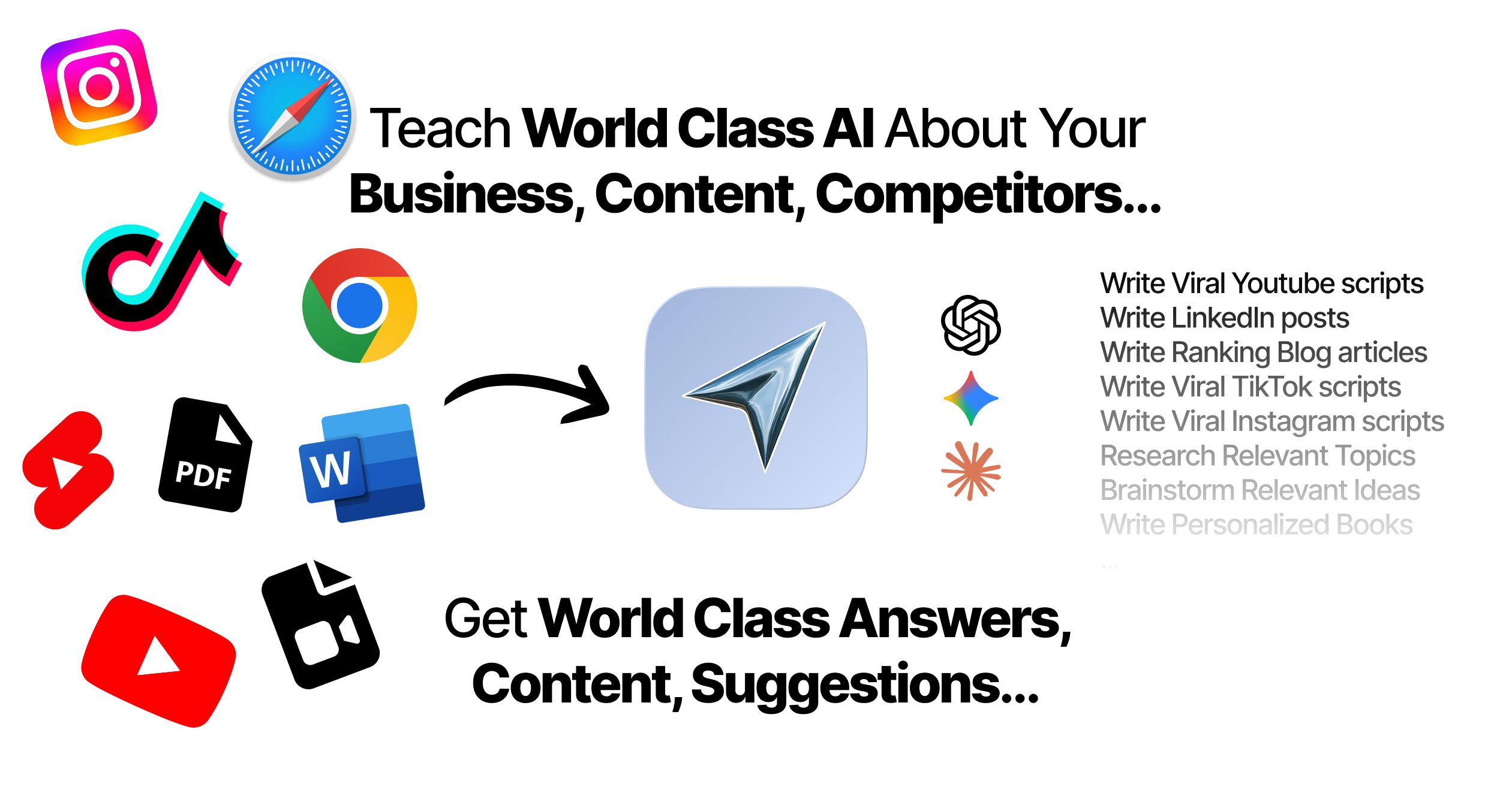
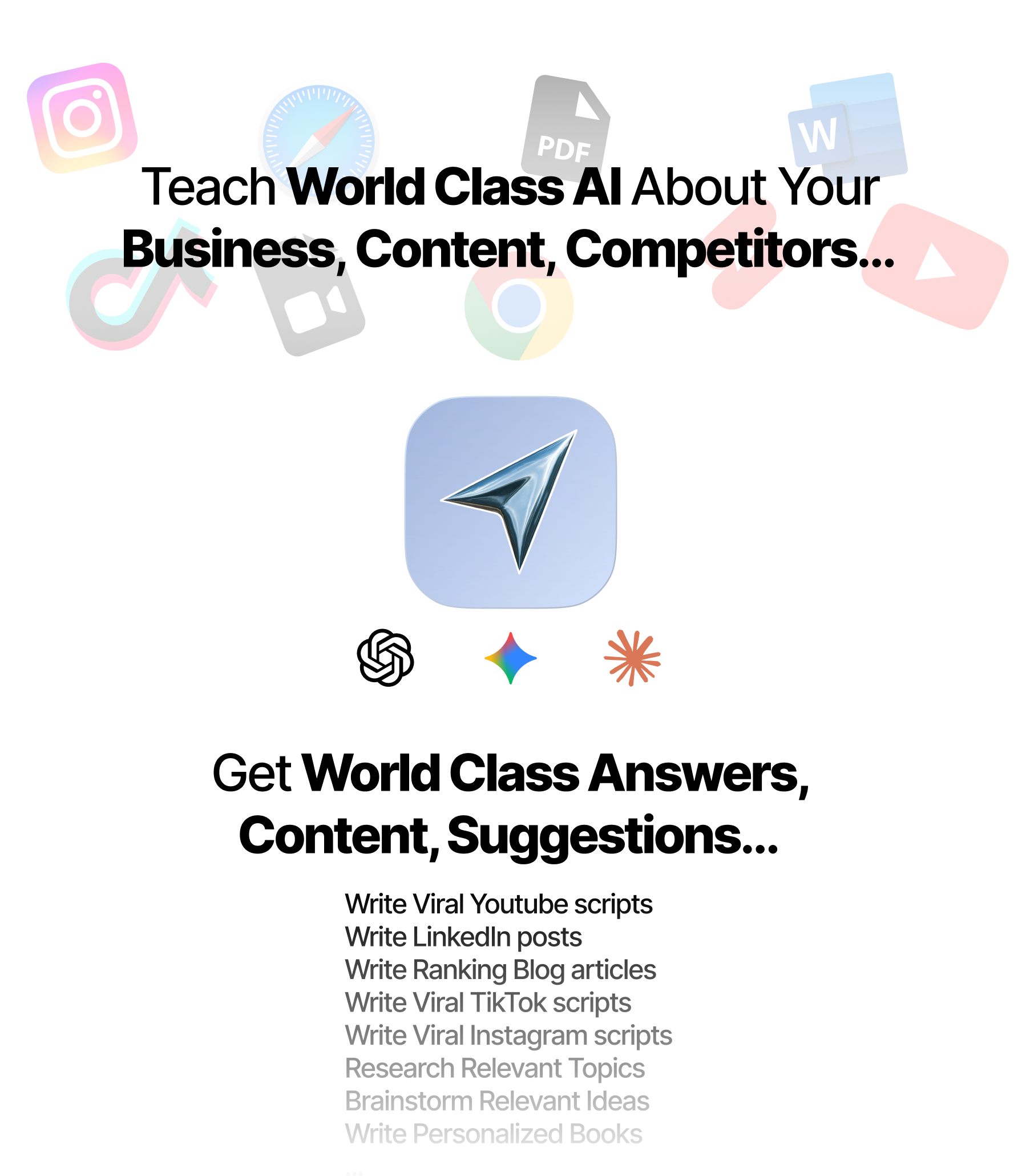
Teach World Class AI About Your Business, Content, Competitors… Get World Class Answers, Content, Suggestions...
AI Flow Chat powers our entire content strategy. We double down on what’s working, extract viral elements, and create stuff fast.
Video thumbnail

Reference Anything

Bring anything into context of AI and build content in seconds

YouTube

PDF

DOCX

TikTok

Web

Reels

Video Files

Twitter Videos

Facebook/Meta Ads

Tweets

Coming Soon

Audio Files

Coming Soon

Choose a plan to match your needs

Upgrade or cancel subscriptions anytime. All prices are in USD.

Basic

For normal daily use. Ideal for getting into AI automation and ideation.

$30/month
  • See what Basic gets you
  • 11,000 credits per month
  • Access to all AI models
  • 5 app schedules
  • Free optional onboarding call
  • 1,000 extra credits for $6
Get Started

No risk, cancel anytime.

ProRecommended

For power users with high-volume needs.

$100/month
  • See what Pro gets you
  • 33,000 credits per month
  • Access to all AI models
  • 10 app schedules
  • Remove AI Flow Chat branding from embedded apps
  • Free optional onboarding call
  • 2,000 extra credits for $6
Get Started

No risk, cancel anytime.

Frequently Asked Questions

Everything you need to know about AI Flow Chat. Still have questions? Contact us.