More Prompts:

Best prompts for Image Generation ChatGPT for UX mockups using AI for competitive analysis

13 copy-ready image-generation prompts to create high-fidelity UX mockups and annotated comparisons for competitive analysis. Each prompt is focused, practical, and includes a realistic example and suggested best-fit models.


Claude Opus 4
GPT-5
Claude Sonnet 4
Gemini 2.5 Pro
Gemini 2.5 Flash
Picture this: You're staring at a blank AI prompt box, trying to figure out how to get ChatGPT to create the exact UX mockup you need for your competitive analysis. You've tried generic prompts before, only to get vague wireframes that look nothing like real products. Sound familiar?
These 13 battle-tested prompts transform your AI image generation from frustrating guesswork into a precision tool for UX research. Each prompt is designed to create specific, high-fidelity mockups for competitive analysis, from split-screen homepage comparisons to accessibility audits and micro-interaction storyboards. Instead of spending hours tweaking generic prompts, you'll have copy-ready instructions that generate exactly what you need for stakeholder presentations and strategic decisions.
1
Split-screen homepage competitive comparison with annotated callouts
Create a high-fidelity split-screen PNG (1440x900) showing two desktop homepages side-by-side: left labeled "OurProduct (Green brand #0BAF4B)" and right labeled "CompetitorX (Blue brand #0B6FAF)". Recreate realistic hero areas including logo, headline, subhead, primary CTA, secondary CTA, hero image, and top-nav. Add numbered callout pins (1–6) on both screens with short annotations explaining differences: CTA prominence, hero copy clarity, social proof placement, nav item count, search visibility, trust badges. Use modern sans-serif typography, 8px baseline grid, and subtle drop shadows. Export with overlay legend at bottom explaining each callout and include a 10px margin around screens.
Create a side-by-side high-fidelity homepage mockup of your product vs a competitor, with labeled callouts highlighting differences in hierarchy, CTAs, and trust signals.
2
Mobile onboarding flow carousel for competitor benchmarking
Produce three vertical mobile mockup images (1080x2340 each) arranged horizontally, representing onboarding steps 1–3 for a consumer app. Left column labeled "OurApp" and right column labeled "CompetitorY" for direct visual comparison. Each screen must include app header, illustration, headline, 1–2 lines of benefit copy, progress indicator, primary CTA, and skip link. Annotate differences with small numbered tags and a short caption below each pair about clarity of value proposition, CTA affordance, and friction points. Use flat illustrations and 16pt system font.
Generate three mobile screens of an onboarding carousel to compare content, progress indicators, and CTA placement.
3
Desktop analytics dashboard comparison with heatmap overlays
Render a 1440x1024 desktop dashboard mockup showing two full dashboards side-by-side: "Metricly" (left) and "InsightPro" (right). Include top nav, left rail, KPI cards (revenue, conversions, active users), time-series chart, table with sortable columns, and filters. On each dashboard add semi-transparent heatmap overlays (red=high, yellow=medium, blue=low) showing hypothetical click density on CTA, filter, and chart areas. Add annotations calling out conversion-related elements and a small footer legend describing heatmap scale. Use neutral UI colors and clear 14px labels.
Create a desktop dashboard mockup comparing two analytics products and overlay click/attention heatmaps to show engagement differences.
4
Responsive header and navigation across breakpoints
Generate three images (320x800 mobile, 768x1024 tablet, 1440x200 desktop) vertically stacked showing the same site's header in three responsive states. Each image must show logo, primary nav/menu, search icon, account icon, cart icon, and a primary CTA. For mobile include hamburger menu that expands to a modal mockup inset; for tablet show condensed nav with icons; for desktop show full nav with dropdown indicator. Add a separate small overlay mockup showing the sticky state (compact header) in each breakpoint. Label each with breakpoint width and a one-line note about element prioritization.
Produce three mockups of the same site header at mobile, tablet, and desktop widths demonstrating responsive behavior and sticky state.
5
Checkout flow friction-point annotated mockups
Produce a sequence of three checkout-step mockups (shipping, payment, review) at 1024x1366 with annotations and red/yellow/green indicators for friction severity. Each screen must show form fields, pre-filled examples, error states, and trust badges. Place numbered sticky notes pointing to friction elements (e.g., required fields unclear, small CTA, missing address verification). For each note include a suggested microcopy change (15–25 characters) and reason (1 sentence). Add a small summary block listing top 3 recommended fixes.
Create annotated images of checkout screens that surface potential friction points and suggested microcopy improvements.
6
Feature parity card grid for three competitors
Render a landscape PNG (1600x900) with three equal-width product cards side-by-side labeled "TeamLoop", "WorkPad", "CollabX". Each card should include product logo, 6 feature rows with check/cross icons, short summary lines, and an accent CTA. Use green check, gray dash for partial, red cross. Add a top row header summarizing 'Core Collaboration Features' and a bottom row that highlights unique selling points. Include a simple color-coded legend and a note on data sources (e.g., product docs, 2025 research).
Create a visual feature parity grid using UI cards for each competitor that clearly shows feature availability and gaps.
7
A/B landing page variants with annotated conversion differences
Create two 1366x768 landing page mockups side-by-side labeled 'Variant A' and 'Variant B'. Variant A uses a full-bleed hero image, centered headline, blue CTA (#0057FF) and testimonial strip; Variant B uses left-aligned headline, product screenshot, green CTA (#22C55E), and no testimonials. Mark and annotate differences: CTA color/size, headline length, hero image type, testimonial presence, trust badges. Add a bottom annotation predicting which variant will convert better with a 1–2 sentence rationale.
Generate two landing page variants (A and B) and visualize the key differences that likely impact conversions.
AI Flow Chat

Stop Losing Your AI Work

Tired of rewriting the same prompts, juggling ChatGPT and Claude in multiple tabs, and watching your best AI conversations disappear forever?

AI Flow Chat lets you save winning prompts to a reusable library, test all models in one workspace, and convert great chats into automated workflows that scale.
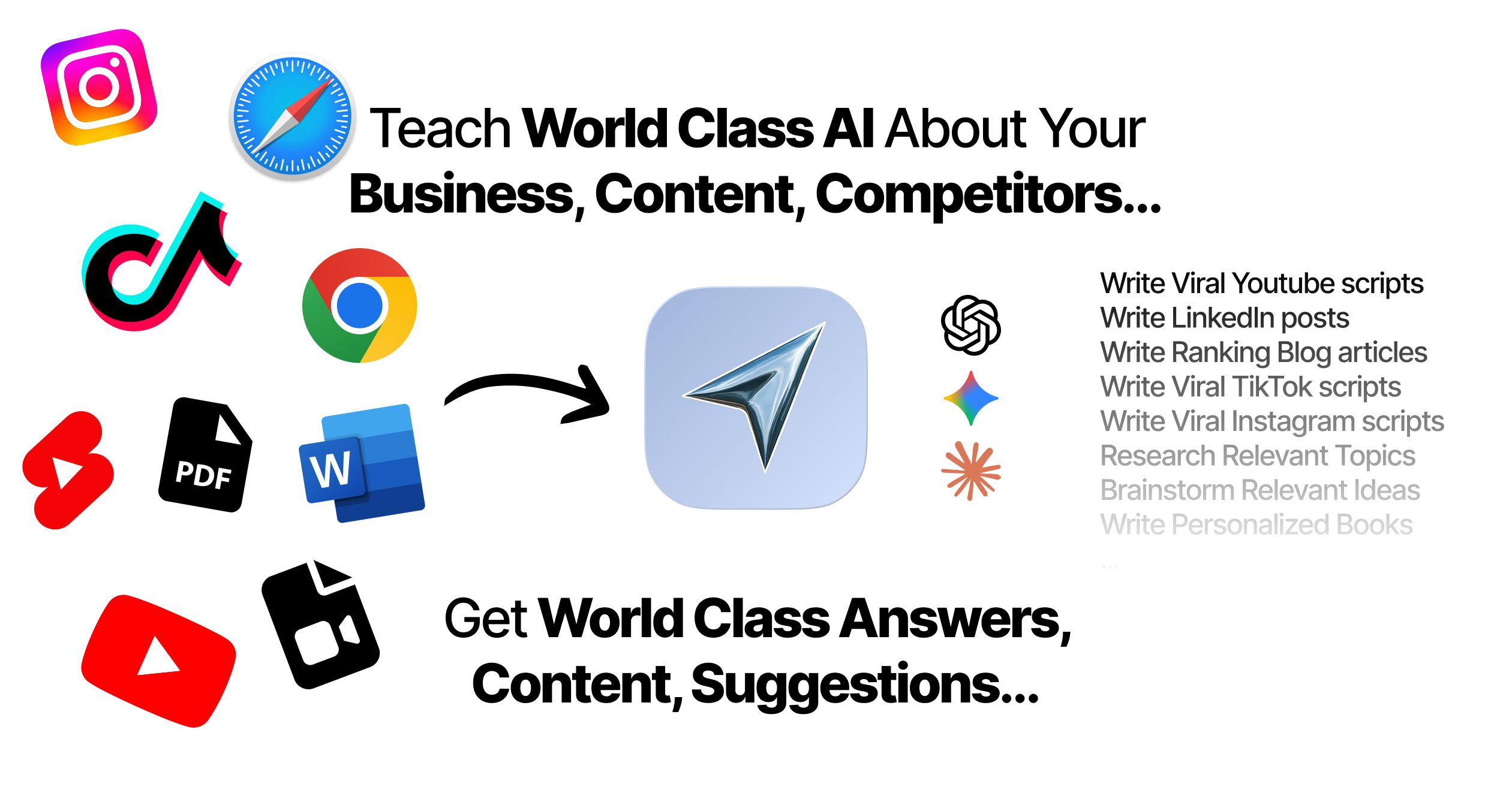
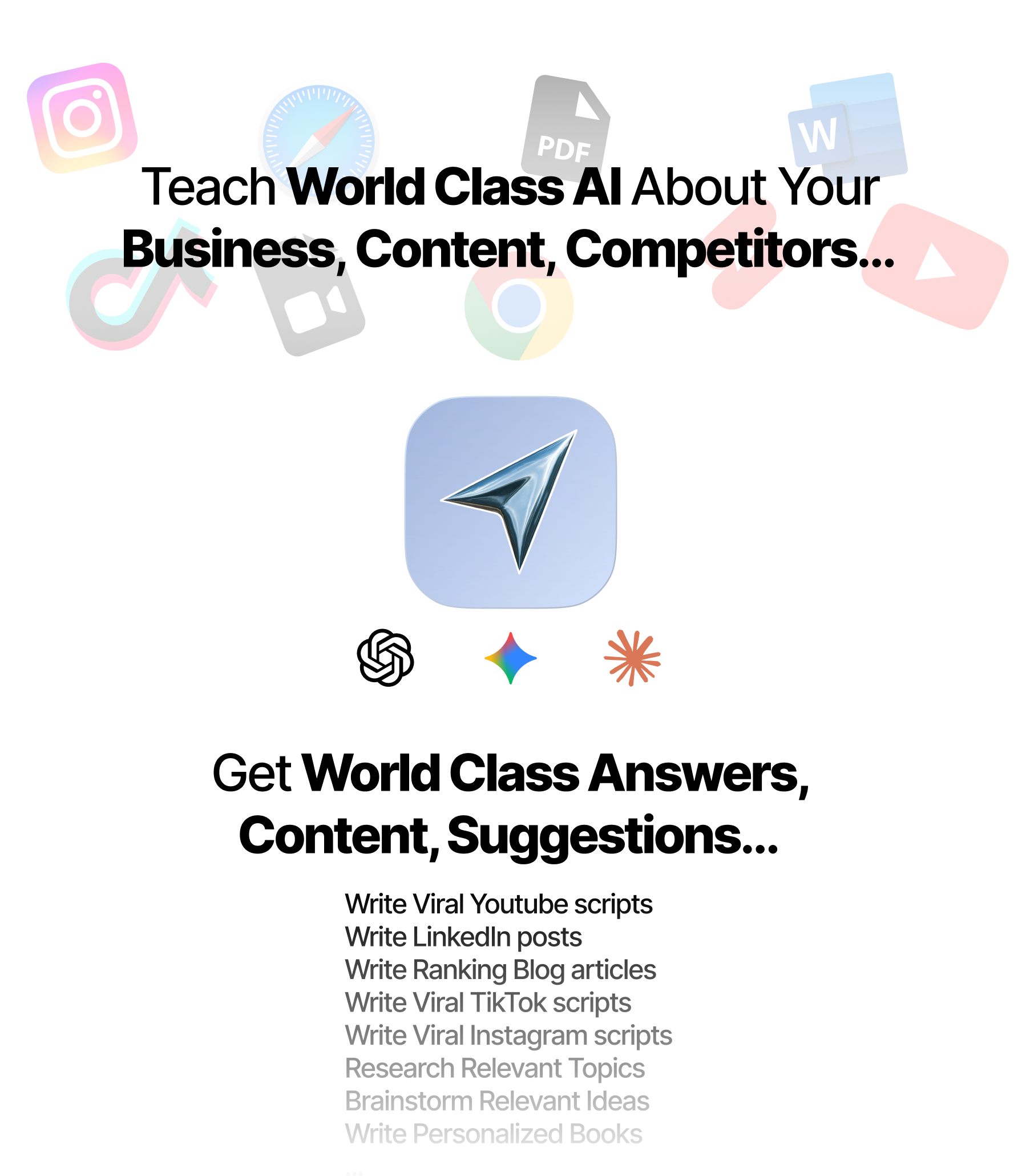
Teach World Class AI About Your Business, Content, Competitors… Get World Class Answers, Content, Suggestions...
AI Flow Chat powers our entire content strategy. We double down on what’s working, extract viral elements, and create stuff fast.
Video thumbnail

Reference Anything

Bring anything into context of AI and build content in seconds

YouTube

PDF

DOCX

TikTok

Web

Reels

Video Files

Twitter Videos

Facebook/Meta Ads

Tweets

Coming Soon

Audio Files

Coming Soon

Choose a plan to match your needs

Upgrade or cancel subscriptions anytime. All prices are in USD.

Basic

For normal daily use. Ideal for getting into AI automation and ideation.

$30/month
  • See what Basic gets you
  • 11,000 credits per month
  • Access to all AI models
  • 5 app schedules
  • Free optional onboarding call
  • 1,000 extra credits for $6
Get Started

No risk, cancel anytime.

ProRecommended

For power users with high-volume needs.

$100/month
  • See what Pro gets you
  • 33,000 credits per month
  • Access to all AI models
  • 10 app schedules
  • Remove AI Flow Chat branding from embedded apps
  • Free optional onboarding call
  • 2,000 extra credits for $6
Get Started

No risk, cancel anytime.

Frequently Asked Questions

Everything you need to know about AI Flow Chat. Still have questions? Contact us.