More Prompts:

Best prompts for ChatGPT Marketing for SEO posts using competitor research

12 copy-ready prompts to create SEO-focused blog posts and content briefs using competitor research. Each entry includes a concise title, a practical prompt you can paste to an LLM, a brief explanation of intent, a realistic example, and recommended AI models.


GPT-5
Claude Sonnet 4
Claude Opus 4
Gemini 2.5 Pro
Gemini 2.5 Flash
You spend hours staring at competitor blogs, knowing they're ranking higher but feeling overwhelmed about how to actually use that intel to create better content. The problem isn't finding competitors or analyzing their success, it's turning those insights into actionable prompts that help you write content that actually outranks them. Most marketers get stuck in analysis paralysis, gathering competitor data but never knowing how to transform it into winning SEO content.
These 12 copy-ready ChatGPT prompts solve that exact problem by turning competitor research into systematic content creation workflows. Each prompt walks you through extracting specific SEO elements from competitor pages, from content gaps and keyword strategies to internal linking patterns and schema markup, then helps you create superior content that targets the same keywords but adds unique value. Instead of guessing what works, you'll have proven formulas that transform competitor intelligence into content briefs, outlines, meta tags, and complete articles designed to climb the rankings.
1
Competitor Content Gap Analysis for Target Keywords
Analyze content gaps for the target keyword: "{target_keyword}" using these competitor URLs: {competitor_urls}. For each competitor, list topics they cover, headers, word counts, unique media types (infographics, videos, tables), and the top 10 semantically related keywords they use. Then produce a prioritized list of 8 topic gaps and recommended subtopics to outrank them.
Identify what competitors cover and where your content can add unique value and outrank them.
2
Create an SEO Content Brief from Top 10 SERP Competitors
Given the target keyword "{target_keyword}" and SERP competitor URLs: {competitor_urls}, produce a content brief including: target search intent, suggested title and 3 alternatives, meta description (under 155 chars), target word count, H1-H4 outline with suggested word ranges per section, primary and secondary keywords, recommended internal links (anchor text suggestions), and 5 suggested images with captions and alt text.
Turn competitor SERP analysis into a copy-ready content brief that writers and SEOs can follow.
3
Generate an Optimized Blog Outline Inspired by Competitor Headings
Using these competitor pages: {competitor_urls} for the keyword "{target_keyword}", extract the most common and highest-value headings (H2/H3). Create a unique, SEO-optimized H1 and complete H2/H3/H4 outline that fills content gaps and targets featured snippets, including a 2-sentence summary for each section and suggested internal/external link targets.
Produce a structured outline that leverages competitor headings but fills gaps and targets SERP features.
4
Write SEO Meta Title, Description, and URL from Competitor CTR Patterns
Analyze these top-ranking pages: {competitor_urls} for "{target_keyword}". Based on their title structure and meta descriptions, produce 5 meta title variations (50–60 chars), 5 meta descriptions (under 155 chars) optimized for CTR and the target keyword, and 3 URL slug options. For each option, include a 1-line rationale referencing competitor patterns.
Create meta tags and slug choices informed by competitor CTR strategies to improve click-through rate.
5
Extract Keyword & LSI Terms from Competitor Pages
Given competitor pages: {competitor_urls}, extract a list of primary keywords, long-tail variations, LSI/semantic keywords, and common modifier words (e.g., '2025', 'best', 'cheap', 'review'). Provide each term with estimated search intent (informational, commercial, transactional) and suggested frequency to include per 1,500-word article.
Build a keyword set and usage guidance derived from competitor language for practical on-page optimization.
6
Create a People Also Ask & FAQ Section from Competitor Research
From these competitor pages and their SERP entries: {competitor_urls}, compile the top 10 'People Also Ask' questions, 10 customer FAQ questions, and provide concise, SEO-optimized answers (40–80 words) with suggested schema type (FAQPage) and markup-ready JSON-LD entries for five top questions.
Generate a PAA/FAQ block that targets voice search and featured snippets using competitor questions.
7
Rewrite Competitor Content to Be Unique and E-E-A-T Focused
Using the competitor excerpt below: "{competitor_excerpt}", rewrite the content to be 100% original, improve clarity, add evidence-based claims, cite hypothetical credible sources (e.g., recent studies, brand tests), and include an author expertise note (2 sentences) to increase E-E-A-T. Keep length similar (±10%).
Produce a rewritten passage that avoids duplication while improving credibility and authoritativeness.
AI Flow Chat

Stop Losing Your AI Work

Tired of rewriting the same prompts, juggling ChatGPT and Claude in multiple tabs, and watching your best AI conversations disappear forever?

AI Flow Chat lets you save winning prompts to a reusable library, test all models in one workspace, and convert great chats into automated workflows that scale.
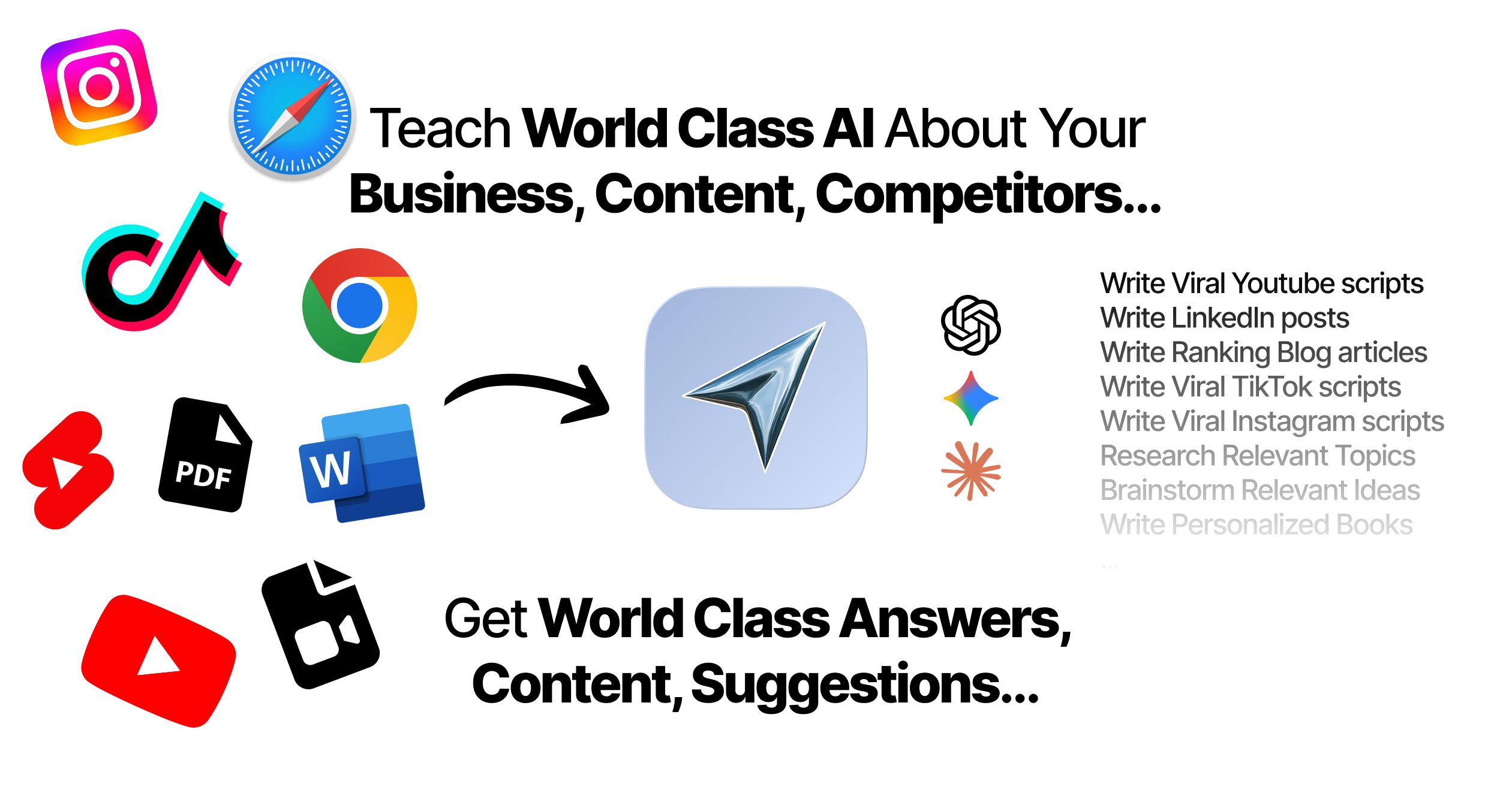
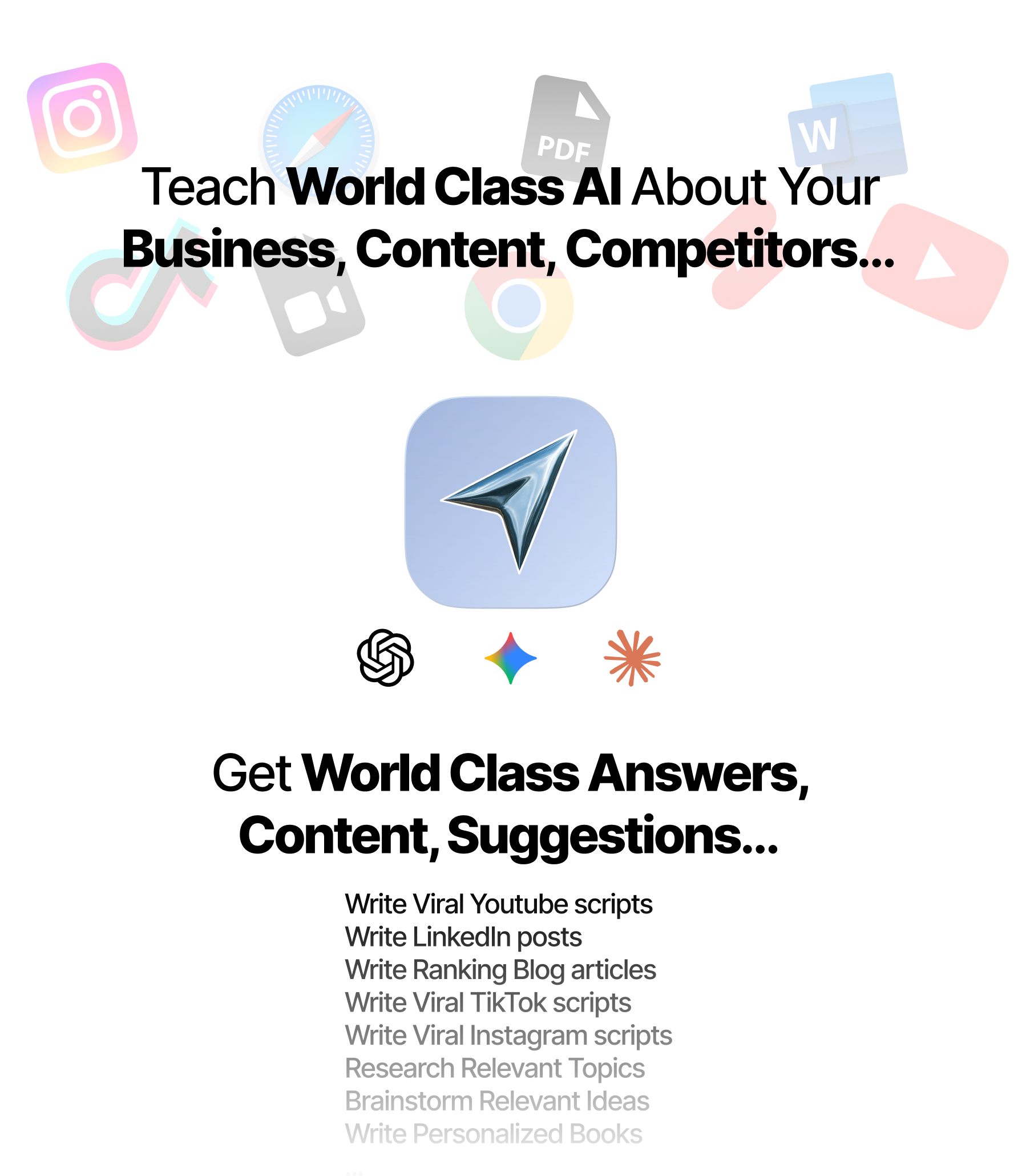
Teach World Class AI About Your Business, Content, Competitors… Get World Class Answers, Content, Suggestions...
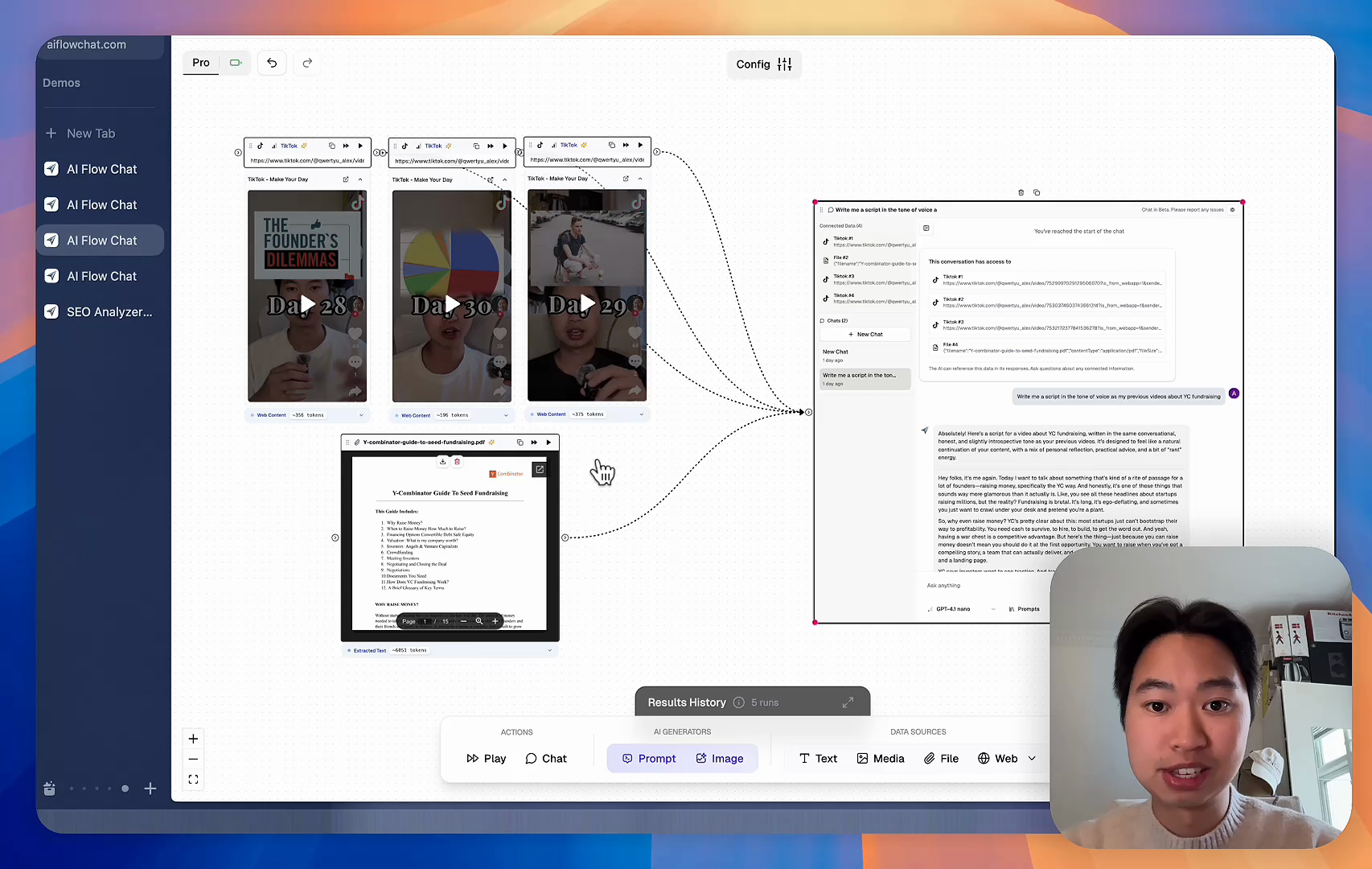
AI Flow Chat powers our entire content strategy. We double down on what’s working, extract viral elements, and create stuff fast.
Video thumbnail

Reference Anything

Bring anything into context of AI and build content in seconds

YouTube

PDF

DOCX

TikTok

Web

Reels

Video Files

Twitter Videos

Facebook/Meta Ads

Tweets

Coming Soon

Audio Files

Coming Soon

Choose a plan to match your needs

Upgrade or cancel subscriptions anytime. All prices are in USD.

Basic

For normal daily use. Ideal for getting into AI automation and ideation.

$30/month
  • See what Basic gets you
  • 11,000 credits per month
  • Access to all AI models
  • 5 app schedules
  • Free optional onboarding call
  • 1,000 extra credits for $6
Get Started

No risk, cancel anytime.

ProRecommended

For power users with high-volume needs.

$100/month
  • See what Pro gets you
  • 33,000 credits per month
  • Access to all AI models
  • 10 app schedules
  • Remove AI Flow Chat branding from embedded apps
  • Free optional onboarding call
  • 2,000 extra credits for $6
Get Started

No risk, cancel anytime.

Frequently Asked Questions

Everything you need to know about AI Flow Chat. Still have questions? Contact us.