More Prompts:

Best prompts for VEO3 for video scenes using color grading

12 copy-ready, practical prompts for VEO3 to perform scene-specific color grading. Each entry includes a concise title, short explanation, a realistic example you can paste or adapt, and recommended AI assistants for refinement or parameter generation.

GPT-5
Claude Opus 4
Claude Sonnet 4
Gemini 2.5 Flash
Gemini 2.5 Pro
Picture this: you've spent hours filming the perfect scene, only to discover your footage looks flat, mismatched, or completely off-brand when you sit down to edit. You know VEO3 has incredible color grading capabilities, but staring at that blank prompt box feels like trying to speak a foreign language. What if you could skip the guesswork and get professional-grade results with 12 copy-ready prompts that actually work?
This collection gives you 12 battle-tested VEO3 prompts that transform your color grading from frustrating trial-and-error into precise, professional results. Each prompt tackles specific scenarios you actually encounter: matching cuts between different lighting conditions, creating cinematic looks, fixing white balance disasters, and achieving that perfect product color accuracy for e-commerce. Instead of spending hours tweaking settings and hoping for the best, you'll have ready-to-use prompts that deliver consistent, stunning grades every single time.
1
Cinematic Teal‑Orange Grade
Apply a cinematic teal‑orange grade: push shadows toward teal (Hue -30, Saturation +18), warm highlights toward orange (Hue +20, Saturation +12), increase midtone contrast +12, add gentle vignette (strength 0.18) and film grain 6%. Preserve face skin tones within 10% of original luminance and ensure skin hue stays within warm skin range.
Apply a classic teal‑orange cinematic look while preserving natural skin tones and highlight detail.
2
Neutralize Mixed Lighting (White Balance Match)
Detect dominant light sources and neutralize mixed lighting: target overall scene white balance to 5600K (tint +2), apply per-frame AWB correction anchored to detected gray card region, reduce orange tungsten spill by -30% in midtones, and preserve skin warmth.
Correct scenes with combined tungsten and daylight sources using per-shot white balance and neutral reference.
3
Night‑for‑Day Conversion
Transform daytime to night: lower exposure -2.0 stops, shift midtones and highlights toward blue (Hue +200°/Teal, Saturation +18), deepen shadows (Lift -18), increase shadow contrast +12, add subtle blue vignette (strength 0.22), and reduce overall saturation -10%. Maintain specular highlight detail.
Convert daytime footage into a believable night scene with cool tones, crushed blacks and retained highlight detail.
4
Film Stock Emulation (Kodak 2383 Style)
Apply film stock emulation resembling Kodak 2383: S‑curve with highlight rolloff (Highlights -8, Whites -6), midtone warm boost (R +6, G +3), add fine grain 8% with chromatic variation, introduce slight halation on bright highlights, and reduce digital sharpness -5%.
Emulate warm film stock characteristics: gentle highlight roll‑off, midtone warmth, subtle grain and halation.
5
Soft Pastel Fashion Grade
Create a soft pastel grade: lower contrast -15, shadows desaturated -20% and lifted +10 Luma, tint highlights slightly magenta (Hue +10, Saturation +12), overall saturation -8, boost clarity +6 for texture on fabrics while preserving skin smoothness using local masks.
Create a soft, pastel look ideal for fashion: low contrast, muted shadows, and lifted, tinted highlights.
6
Match Color Between Handheld Cuts
Analyze reference frame X (timestamp or frame path) and match target clip: align overall luminance ±2% tolerance, match white balance within ±150K, apply 3D LUT or per‑channel gain transform to minimize Delta E to under 4 across midtones; apply temporal smoothing to avoid flicker between frames.
Automatically match color and luminance between multiple handheld takes for a seamless cut sequence.
7
HDR to SDR Remap (Preserve Highlights)
Perform HDR→SDR conversion: use PQ to Rec.709 tone mapping with soft knee at 80% (Knee strength 0.55), compress highlights 3:1 above knee, apply highlight rolloff to preserve specular glints, map colors using Rec.709 gamut clamp, final gamma 2.4, and protect blacks by lifting shadows +6.
Tone‑map HDR footage to Rec.709 SDR while preserving specular highlights and avoiding crushed blacks.
AI Flow Chat

Stop Losing Your AI Work

Tired of rewriting the same prompts, juggling ChatGPT and Claude in multiple tabs, and watching your best AI conversations disappear forever?

AI Flow Chat lets you save winning prompts to a reusable library, test all models in one workspace, and convert great chats into automated workflows that scale.
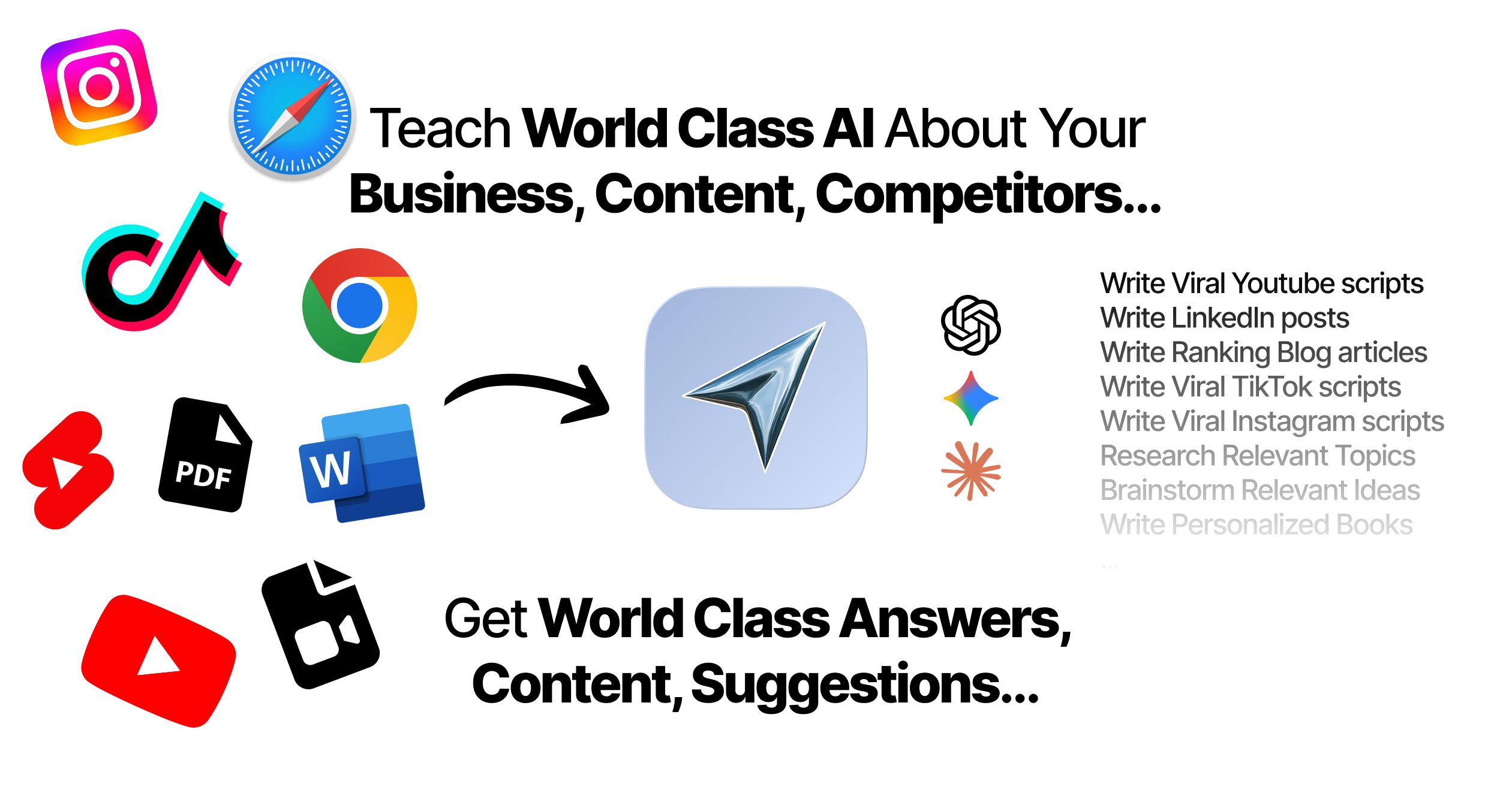

Teach World Class AI About Your Business, Content, Competitors… Get World Class Answers, Content, Suggestions...
AI Flow Chat powers our entire content strategy. We double down on what’s working, extract viral elements, and create stuff fast.
Video thumbnail

Reference Anything

Bring anything into context of AI and build content in seconds

YouTube

PDF

DOCX

TikTok

Web

Reels

Video Files

Twitter Videos

Facebook/Meta Ads

Tweets

Coming Soon

Audio Files

Coming Soon

Choose a plan to match your needs

Upgrade or cancel subscriptions anytime. All prices are in USD.

Basic

For normal daily use. Ideal for getting into AI automation and ideation.

$30/month
  • See what Basic gets you
  • 11,000 credits per month
  • Access to all AI models
  • 5 app schedules
  • Free optional onboarding call
  • 1,000 extra credits for $6
Get Started

No risk, cancel anytime.

ProRecommended

For power users with high-volume needs.

$100/month
  • See what Pro gets you
  • 33,000 credits per month
  • Access to all AI models
  • 10 app schedules
  • Remove AI Flow Chat branding from embedded apps
  • Free optional onboarding call
  • 2,000 extra credits for $6
Get Started

No risk, cancel anytime.

Frequently Asked Questions

Everything you need to know about AI Flow Chat. Still have questions? Contact us.