More Prompts:

Best prompts for ChatGPT for portrait using surreal portrait elements

Thirteen copy-ready prompts to use with advanced language/image-assistant AIs. Each prompt asks the AI to produce precise, practical instructions, image-generation-ready prompts, or editing plans for surreal portraits. Use them as-is or paste into GPT-5, Gemini, or Claude variants to generate final image prompts, camera settings, negative prompts, palettes, and production notes.
Claude Opus 4
GPT-5
Claude Sonnet 4
Gemini 2.5 Pro
Gemini 2.5 Flash
You've spent hours crafting the perfect AI prompt for that dream surreal portrait, only to get a generic headshot with weird floating objects that make no sense. The frustration of watching your creative vision get lost in translation while AI tools give you everything except what you actually wanted is all too real. What if you could skip the trial and error phase entirely and get stunning, meaningful surreal portraits on your first try?
These 13 expert-crafted prompts transform your AI art experience from guesswork into precision crafting, covering everything from photoreal image generation to painterly styles, color palettes, and even step-by-step editing plans. Whether you need a single striking portrait or a cohesive series, each prompt is designed to extract maximum creative power from ChatGPT, Midjourney, or any AI tool you're using. Instead of struggling with vague results and wasted credits, you'll have a complete toolkit that delivers professional-quality surreal portraits with symbolic depth and visual impact every single time.
1
Full Image-Generation Prompt Builder (Photoreal Surreal)
Create one complete image-generation prompt for a photoreal surreal portrait. Include: 1) subject (age, gender, ethnicity, clothing), 2) two clear surreal elements (e.g., floating objects, morphing anatomy), 3) exact composition (head-and-shoulders, three-quarter, full body) and camera/lens settings (camera type, focal length, aperture, shutter if needed), 4) lighting style (Rembrandt, softbox, rim light), 5) color palette (3 main colors and mood), 6) one or two art/style references (broad, e.g., surrealism, cinematic), 7) final rendering instructions (ultra-detailed, photoreal, film grain level), 8) aspect ratio and megapixel target, and 9) a short negative prompt listing things to avoid. Output the final single-line prompt ready to paste into an image generator, followed by the negative prompt on a new line.
Generate a single highly-detailed, image-generator-ready prompt for a photoreal surreal portrait: subject, surreal elements, composition, lighting, camera/lens, color palette, style references, desired resolution/aspect ratio, and a short negative prompt.
2
Five Concise Variations
I will give you a base surreal portrait concept. Produce five concise variations (one sentence each) that keep the same subject, pose, camera/lens, and lighting but swap or alter the primary surreal element (e.g., replace floating clock with glass birds). Keep each variation 20–30 words and end each line with suggested seed keywords for the image generator.
Given a base surreal portrait idea, produce five short variations that change one main surreal element each time while keeping camera and lighting consistent.
3
Turn a Short Description into Photoreal Prompt
Here is a one-sentence portrait idea: "A young violinist with a garden growing from her chest." Expand this into a fully-specified photoreal image-generation prompt that includes subject details, exact surreal treatment, camera and lens specs, lighting, mood, color palette, rendering directives, aspect ratio, and a negative prompt. Output as two lines: the main prompt, then the negative prompt.
Convert a one-sentence idea into a fully-specified photoreal surreal portrait prompt including camera, lighting, color palette, style keywords, and negative prompt.
4
Painterly / Classic Surreal Style Prompt
Generate a prompt for a painterly surreal portrait intended to look like a fine-art oil painting. Specify: subject, surreal motif, composition, brushwork description (loose, impasto, glazed), canvas texture, color harmony, lighting (studio or natural), era or stylistic references (surreal + period), final output size/resolution, and suggested printing medium. Keep it ready to paste into an image model that supports painting styles.
Create a prompt for a painted, non-photoreal surreal portrait (oil, acrylic, or digital painting) including brushwork, canvas texture, composition, and surreal motifs.
5
Negative Prompt Generator
Create a compact negative prompt optimized for surreal portrait generation. Provide two variants: one for photoreal outputs and one for painterly/illustrative outputs. Each variant should be 8–20 comma-separated terms aimed to reduce typical generator errors (anatomy mistakes, blurred eyes, extra fingers, low detail, oversaturation, unnatural teeth, etc.).
Produce a targeted negative prompt list to avoid common surreal portrait issues (artifacts, unnatural anatomy, text, watermarks), tailored to photoreal or painterly outputs.
6
Symbolism & Composition Map
Given a subject and two surreal elements, produce: 1) a two-sentence backstory that informs emotional tone, 2) a visual-symbol map that lists each surreal element and its symbolic meaning (2–3 bullets), and 3) two composition suggestions about how to place elements (foreground, background, negative space). Keep concise and actionable for an artist.
Request a one-paragraph narrative backstory and a visual-symbol map linking surreal elements to symbolic meaning; useful to guide image composition and props.
7
Color Palette + Lighting Recipe
Provide a three-color palette (primary, secondary, accent) with hex codes, plus a detailed lighting recipe: key light type and direction, fill ratio, rim/backlight details, diffusion/softening method, and recommended exposure settings for a 50mm equivalent lens. Include a short note on how lighting interacts with the surreal elements.
Generate a specific three-color palette and exact lighting recipe (key/fill/rim, diffusion) tailored for a surreal portrait mood to ensure consistent rendering.
AI Flow Chat

Stop Losing Your AI Work

Tired of rewriting the same prompts, juggling ChatGPT and Claude in multiple tabs, and watching your best AI conversations disappear forever?

AI Flow Chat lets you save winning prompts to a reusable library, test all models in one workspace, and convert great chats into automated workflows that scale.
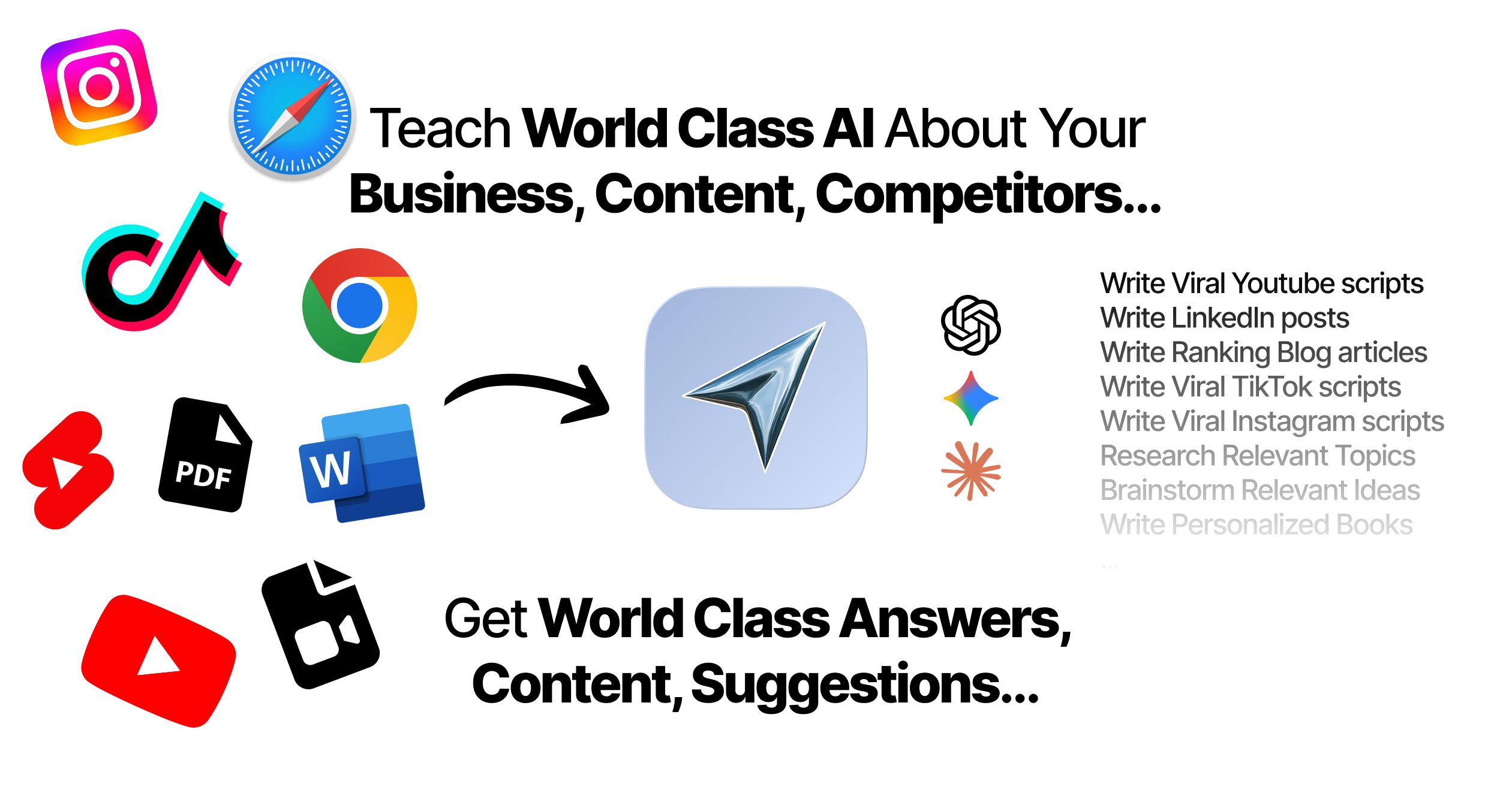
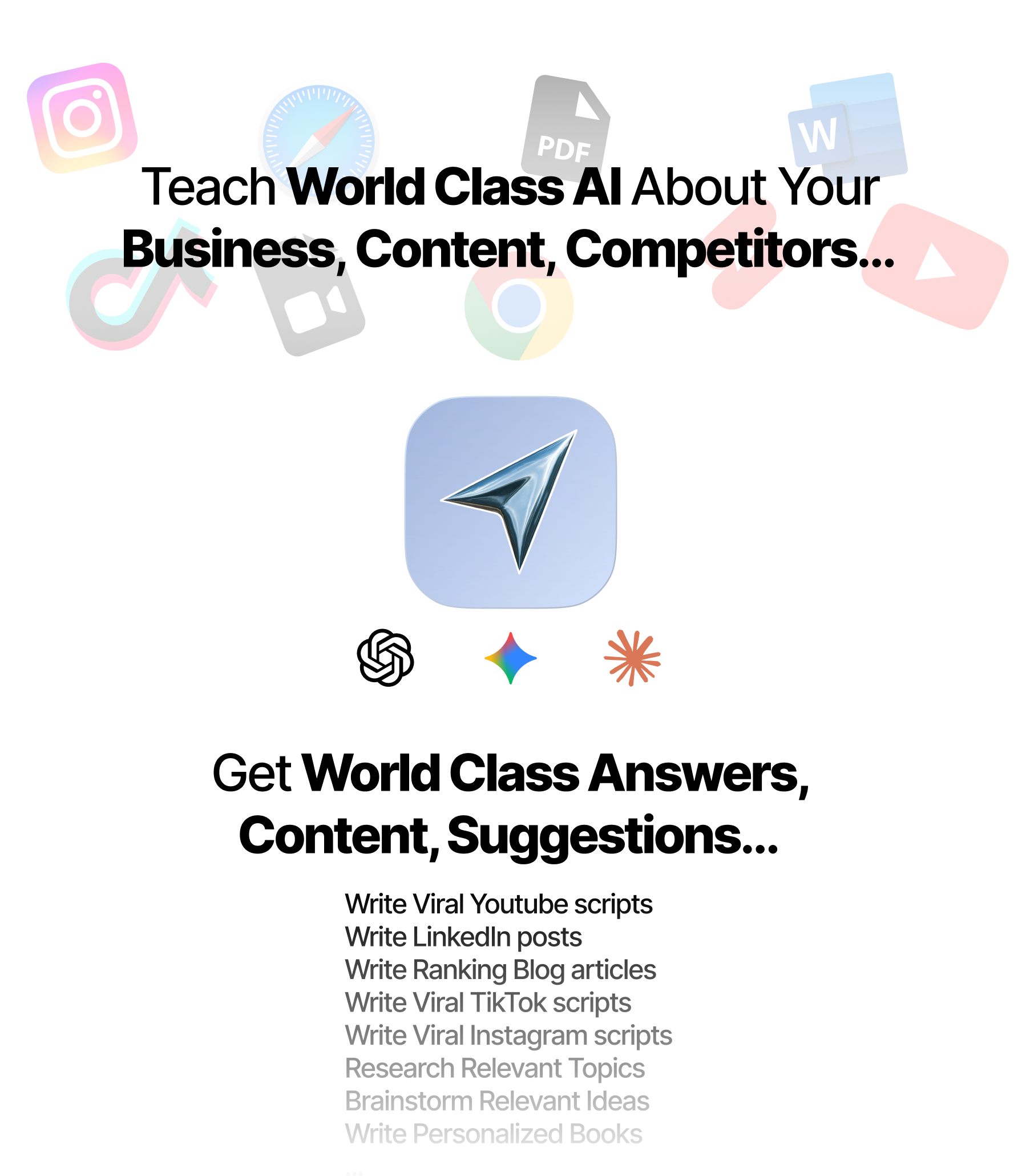
Teach World Class AI About Your Business, Content, Competitors… Get World Class Answers, Content, Suggestions...
AI Flow Chat powers our entire content strategy. We double down on what’s working, extract viral elements, and create stuff fast.
Video thumbnail

Reference Anything

Bring anything into context of AI and build content in seconds

YouTube

PDF

DOCX

TikTok

Web

Reels

Video Files

Twitter Videos

Facebook/Meta Ads

Tweets

Coming Soon

Audio Files

Coming Soon

Choose a plan to match your needs

Upgrade or cancel subscriptions anytime. All prices are in USD.

Basic

For normal daily use. Ideal for getting into AI automation and ideation.

$30/month
  • See what Basic gets you
  • 11,000 credits per month
  • Access to all AI models
  • 5 app schedules
  • Free optional onboarding call
  • 1,000 extra credits for $6
Get Started

No risk, cancel anytime.

ProRecommended

For power users with high-volume needs.

$100/month
  • See what Pro gets you
  • 33,000 credits per month
  • Access to all AI models
  • 10 app schedules
  • Remove AI Flow Chat branding from embedded apps
  • Free optional onboarding call
  • 2,000 extra credits for $6
Get Started

No risk, cancel anytime.

Frequently Asked Questions

Everything you need to know about AI Flow Chat. Still have questions? Contact us.