More Prompts:

Best prompts for ChatGPT for customer support using automated follow-ups

12 copy-ready prompts to generate practical, personalized automated follow-up messages across channels (email, SMS, in-app) for common customer support scenarios. Each entry includes a concise explanation, a plug-and-play prompt with placeholders, and a realistic example message.


GPT-5
Claude Opus 4
Claude Sonnet 4
Gemini 2.5 Pro
Gemini 2.5 Flash
You've probably stared at a blank ChatGPT prompt box wondering how to craft the perfect automated follow-up message that doesn't sound robotic or pushy. We've all been there, typing and retyping customer support messages, trying to strike that balance between helpful and human while covering all the technical bases. The frustration of spending hours perfecting one follow-up email when you need a dozen of them is real.
These 12 battle-tested prompts transform your customer support automation from generic template hell into personalized, effective communication that actually gets results. You'll get ready-to-use prompts for every scenario from shipping delays to payment failures, complete with examples and placeholders you can customize in minutes. Instead of wrestling with tone and messaging for hours, you'll have a complete arsenal of proven follow-ups that boost satisfaction ratings and reduce support ticket volume.
1
Confirm resolution and ask for satisfaction rating
You are a customer support assistant. Generate a concise follow-up message confirming resolution for ticket {ticket_id}. Include: greeting using {customer_name}, one-sentence summary of the resolution ({resolution_summary}), a one-click satisfaction rating option (1–5) and a short optional comment field, and a polite close with a link to reopen the ticket ({reopen_link}). Provide versions for: (A) email (formal, 60–120 words), (B) SMS (very brief), and (C) in-app push (single sentence). Keep language friendly and actionable.
Send a short follow-up after marking a ticket resolved to confirm the issue is fixed and collect a quick satisfaction rating and optional comment.
2
Reminder for unresolved ticket with clear next steps
As a support assistant, create a polite reminder for ticket {ticket_id} that is waiting on the customer. Use {customer_name}. State the exact items we need (list them using the placeholders {needed_items}), provide two submission options (reply to this message or upload via {upload_link}), include a 7-day deadline and a friendly closing. Produce both email (120–160 words) and SMS (one short sentence plus link).
Send a polite reminder when a ticket has been waiting on the customer for required information, listing exactly what’s needed and how to submit it.
3
Proactive outreach for shipping delay with compensation offer
You are writing a proactive customer follow-up about a shipping delay for order {order_id}. Use {customer_name}. Explain the delay cause briefly, give an updated ETA ({new_eta}), offer two compensation choices (a 15% discount code {discount_code} or free expedited shipping on next order via {expedite_link}), and include an apology and contact option. Create an email (150–180 words) and an SMS version. Add a line telling the agent when to escalate if customer accepts compensation.
Notify customers proactively about a delay, explain cause, provide an ETA, and present a small compensation option (discount or expedited shipping) with buttons/links to select.
4
Re-engagement follow-up for inactive trial users
Act as a customer success assistant. Create a three-step follow-up sequence for a trial user {customer_name} who hasn’t used the product for {days_inactive} days. Each step should be a short message for email and in-app: Step 1 (value reminder + quick tips), Step 2 (offer 1:1 onboarding call link {calendar_link}), Step 3 (limited-time 20% discount code {trial_discount} if they convert within 7 days). Use an encouraging tone and include clear CTAs and subject lines for emails.
Automated sequence to re-engage trial users after inactivity: remind them of value, offer help, and propose a limited-time incentive to convert.
5
Churn prevention follow-up after cancellation
You are a retention specialist. Generate a personalized follow-up for {customer_name} who canceled for reason {cancellation_reason}. Acknowledge the reason empathetically, offer a tailored win-back option (e.g., 40% off first month, extended trial, or dedicated onboarding), and propose a short feedback survey link ({feedback_link}). Keep it 100–140 words. Include an SMS variant and a one-sentence subject line.
Send a tailored win-back message after a customer cancels, acknowledging reasons, offering tailored incentives, and asking permission to keep them informed of improvements.
6
Cross-sell/up-sell follow-up after purchase
You are a sales-support assistant. For customer {customer_name} who purchased {purchased_item}, produce an email and an in-app card recommending 2 complementary products (explain benefit for this customer using {purchase_context}), list price and a one-click add-to-cart link for each ({link1}, {link2}), and a short testimonial line. Keep tone helpful and non-pushy; email 90–130 words; in-app card text 30–50 characters with CTA.
Recommend relevant add-ons after a purchase based on the purchased item and browsing history, include benefits, pricing, and an easy one-click add option.
7
Request missing information with exact examples and upload options
Act as a technical support assistant. For ticket {ticket_id} ask {customer_name} to provide missing items {missing_items}. For each item, include: one-sentence why it’s needed, step-by-step capture instructions or commands (for logs), an example file name format, and an upload link ({upload_link}). Provide an email (detailed) and an SMS (link + short note).
Ask customers for specific missing information (logs, screenshots) and show exactly how to capture/upload those items; include examples and a direct upload link.
AI Flow Chat

Stop Losing Your AI Work

Tired of rewriting the same prompts, juggling ChatGPT and Claude in multiple tabs, and watching your best AI conversations disappear forever?

AI Flow Chat lets you save winning prompts to a reusable library, test all models in one workspace, and convert great chats into automated workflows that scale.
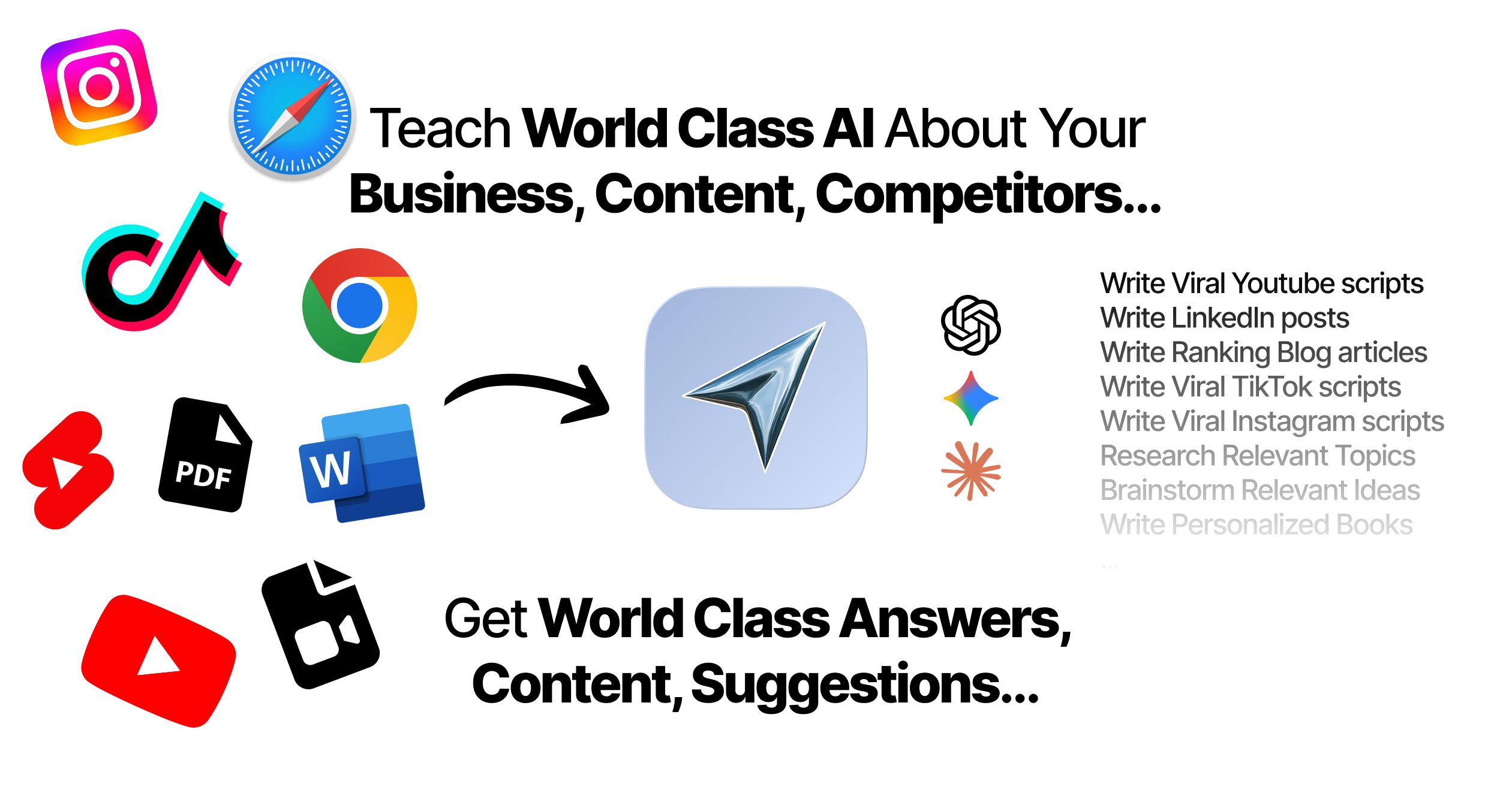
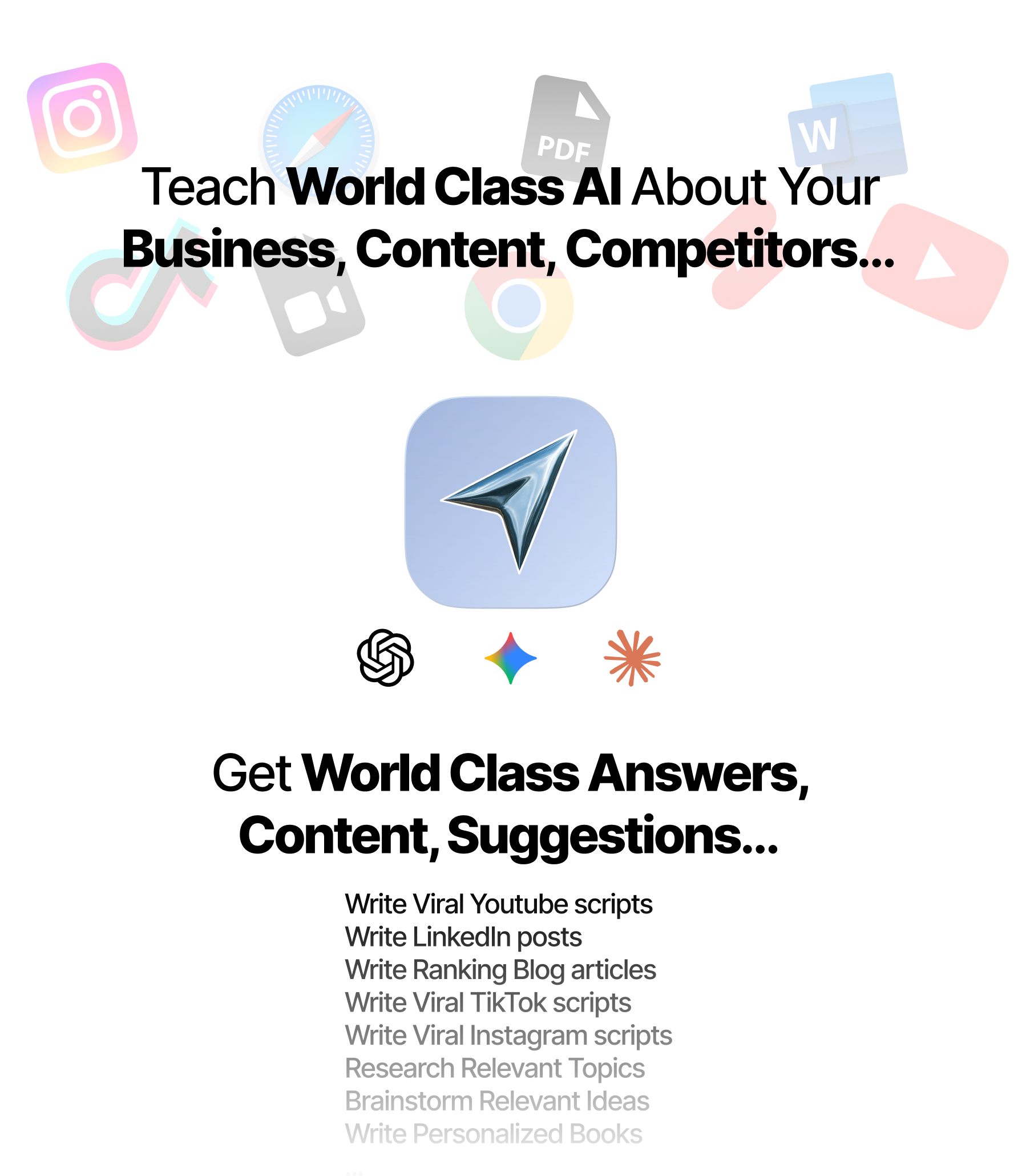
Teach World Class AI About Your Business, Content, Competitors… Get World Class Answers, Content, Suggestions...
AI Flow Chat powers our entire content strategy. We double down on what’s working, extract viral elements, and create stuff fast.
Video thumbnail

Reference Anything

Bring anything into context of AI and build content in seconds

YouTube

PDF

DOCX

TikTok

Web

Reels

Video Files

Twitter Videos

Facebook/Meta Ads

Tweets

Coming Soon

Audio Files

Coming Soon

Choose a plan to match your needs

Upgrade or cancel subscriptions anytime. All prices are in USD.

Basic

For normal daily use. Ideal for getting into AI automation and ideation.

$30/month
  • See what Basic gets you
  • 11,000 credits per month
  • Access to all AI models
  • 5 app schedules
  • Free optional onboarding call
  • 1,000 extra credits for $6
Get Started

No risk, cancel anytime.

ProRecommended

For power users with high-volume needs.

$100/month
  • See what Pro gets you
  • 33,000 credits per month
  • Access to all AI models
  • 10 app schedules
  • Remove AI Flow Chat branding from embedded apps
  • Free optional onboarding call
  • 2,000 extra credits for $6
Get Started

No risk, cancel anytime.

Frequently Asked Questions

Everything you need to know about AI Flow Chat. Still have questions? Contact us.