More Prompts:

Best prompts for Suno AI for jingles using music theory techniques

12 copy-ready Suno AI prompts for short jingles (10–30s) that apply concrete music-theory techniques: chord progressions, bass motion, modulation, counterpoint, rhythm, motifs, and arrangement details. Each entry includes a concise explanation, a realistic example, and suggested AIs that pair well for lyric/melody refinement.


GPT-5
Claude Opus 4
Claude Sonnet 4
Gemini 2.5 Pro
Gemini 2.5 Flash
You know that sinking feeling when you ask Suno AI for a "catchy jingle" and get back generic muzak that sounds like elevator music? You're not alone in the struggle of translating your musical vision into prompts that actually work. Most creators end up spending hours tweaking vague descriptions, only to receive forgettable results that miss the mark completely.
These 12 expertly crafted prompts transform your jingle creation process by applying specific music theory techniques like chord progressions, bass motion, and rhythmic displacement that Suno AI can actually understand and execute. Instead of generic requests, you'll have concrete prompts covering everything from bright pop hooks with I–V–vi–IV progressions to sophisticated counterpoint arrangements. Say goodbye to endless revisions and hello to professional-quality 10-30 second jingles that capture your brand's essence on the first try.
1
Bright pop hook with I–V–vi–IV and tight vocal hook
Create a 12–15 second upbeat jingle in C major using the I–V–vi–IV progression (C–G–Am–F), tempo 100 BPM. Structure: two 4-bar phrases with a repeating 4-note vocal hook on beats 2–3 of bar 2. Instruments: bright electric piano for chords, plucky synth bass, light electronic drums (clap on 2 & 4), and a lead female vocal with clear diction. Emphasize brand name on the hook. Provide melody in scale degrees and chord labels, plus a 10–12 word lyrical hook.
Classic pop progression with a concise rhythmic placement for a memorable hook. Use scale degrees so Suno can render a clear melodic contour and place the brand name where it lands strongest.
2
Syncopated funk jingle using secondary dominants
Write a 15–18 second funk jingle in A minor (use an A dorian flavor) at 105 BPM with a syncopated backbeat. Use a short chord progression: Am – E7/V – Dm7 – E7 (treat E7 as V of V resolution), with a syncopated bassline on upbeat 2 & the & of 3. Instruments: punchy electric bass, wah guitar stabs, clavinet, tight rimshot snare, and a male rap-style vocal delivering 6–8 words per half phrase. Mark secondary-dominant placement and specify a 3-note rhythmic vocal motif.
Secondary dominants add forward motion and funkiness; syncopated bass and clavinet create groove. Specifying exact beats for bass and vocal motif ensures a distinctive rhythmic identity.
3
Descending chromatic bass with modal mixture for emotional lift
Produce a 20-second jingle in C major featuring a descending chromatic bass line over static C major harmony (C – C/B – Am – Ab – G). Use modal mixture (borrowed bVI or bVII chords) to create an emotional color shift. Tempo 85 BPM, soft acoustic guitar arpeggio, warm pad, and intimate female vocal. Keep melody simple, emphasize descending line in bass and align the tagline on the chromatic drop. Provide chord labels, bass notes, and a 6–8 word tagline.
Descending chromatic bass plus modal interchange (bVI/bVII) adds bittersweet color—great for sentimental branding. Specifying bass notes ensures the chromatic movement is audible.
4
Key change up a half step for final lift
Compose a 20–25 second jingle that modulates up a half step for the final 4 bars to maximize impact. Start in F major at 96 BPM, build for two 8-bar sections, then modulate to F# major (or Gb) on the last 4 bars. Instrumentation: piano, layered choir pad, snappy percussion build, and bright female lead. Indicate exact bar where modulation happens and whether to use pivot chord or direct chromatic upshift.
A half-step modulation is a classic way to increase energy; telling Suno where to transition and whether to pivot keeps the change smooth or dramatic depending on brand needs.
5
Ostinato + counter-melody with call-and-response
Create a 15-second jingle built on a 3-note ostinato (A–C–E) repeated every bar on a marimba-like synth. Add a counter-melody in a higher register that answers the vocal call each phrase (call 4 bars, response 4 bars). Tempo 92 BPM, key G major. Instruments: marimba ostinato, breathy pad, plucked electric guitar for counter-melody, and a clear mid-range vocal. Provide ostinato pattern, counter-melody notes (scale degrees), and a 6-word call and 4-word response tagline.
Ostinato grounds the jingle; counter-melody creates interest and makes the brand phrase feel like a musical conversation. Specifying note sets and registers avoids clutter.
6
12-bar blues jingle with shuffle feel
Produce a playful 18–22 second 12-bar blues jingle in E at 110 BPM with a shuffle feel. Chords: E7 (I7) for bars 1–4, A7 (IV7) bars 5–6, E7 bars 7–8, B7 (V7) bar 9, A7 bar 10, E7 bar 11, B7 turnaround bar 12. Instruments: Hammond organ, walking bass, light brushed snare with shuffle, and a gritty male lead. Provide a 6–8 word bluesy lyric and a short harmonica lick (notes) for accent.
The 12-bar blues structure is instantly familiar and catchy; specifying shuffle feel and instruments ensures the right groove and color.
7
Two-voice counterpoint between vocal and synth
Compose a 14-second jingle in D major that uses two-voice counterpoint between the sung tagline and a synth countermelody. Keep counterpoint in contrary motion to the vocal, avoid parallel fifths and octaves, and maintain harmonic compatibility with the progression D – G – A – D. Tempo 88 BPM, sparse drum brushes. Provide the vocal melody (scale degrees) and the second voice notes relative to scale, and a 6–7 word tagline.
Counterpoint gives sophistication and memorability. Explicit rules (contrary motion, avoid perfect parallels) help Suno produce a clear, non-clashing second voice.
AI Flow Chat

Stop Losing Your AI Work

Tired of rewriting the same prompts, juggling ChatGPT and Claude in multiple tabs, and watching your best AI conversations disappear forever?

AI Flow Chat lets you save winning prompts to a reusable library, test all models in one workspace, and convert great chats into automated workflows that scale.
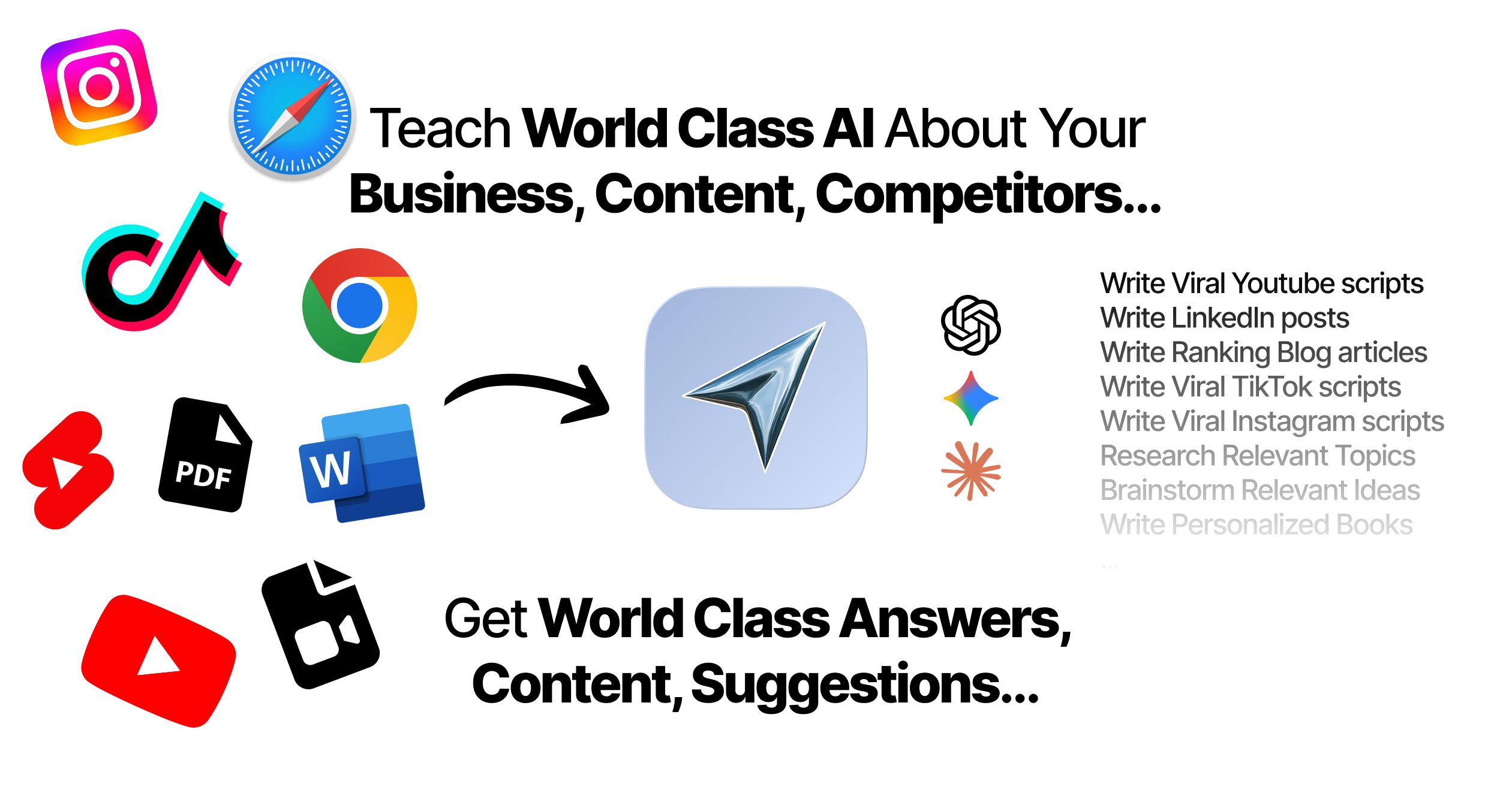

Teach World Class AI About Your Business, Content, Competitors… Get World Class Answers, Content, Suggestions...
AI Flow Chat powers our entire content strategy. We double down on what’s working, extract viral elements, and create stuff fast.
Video thumbnail

Reference Anything

Bring anything into context of AI and build content in seconds

YouTube

PDF

DOCX

TikTok

Web

Reels

Video Files

Twitter Videos

Facebook/Meta Ads

Tweets

Coming Soon

Audio Files

Coming Soon

Choose a plan to match your needs

Upgrade or cancel subscriptions anytime. All prices are in USD.

Basic

For normal daily use. Ideal for getting into AI automation and ideation.

$30/month
  • See what Basic gets you
  • 11,000 credits per month
  • Access to all AI models
  • 5 app schedules
  • Free optional onboarding call
  • 1,000 extra credits for $6
Get Started

No risk, cancel anytime.

ProRecommended

For power users with high-volume needs.

$100/month
  • See what Pro gets you
  • 33,000 credits per month
  • Access to all AI models
  • 10 app schedules
  • Remove AI Flow Chat branding from embedded apps
  • Free optional onboarding call
  • 2,000 extra credits for $6
Get Started

No risk, cancel anytime.

Frequently Asked Questions

Everything you need to know about AI Flow Chat. Still have questions? Contact us.